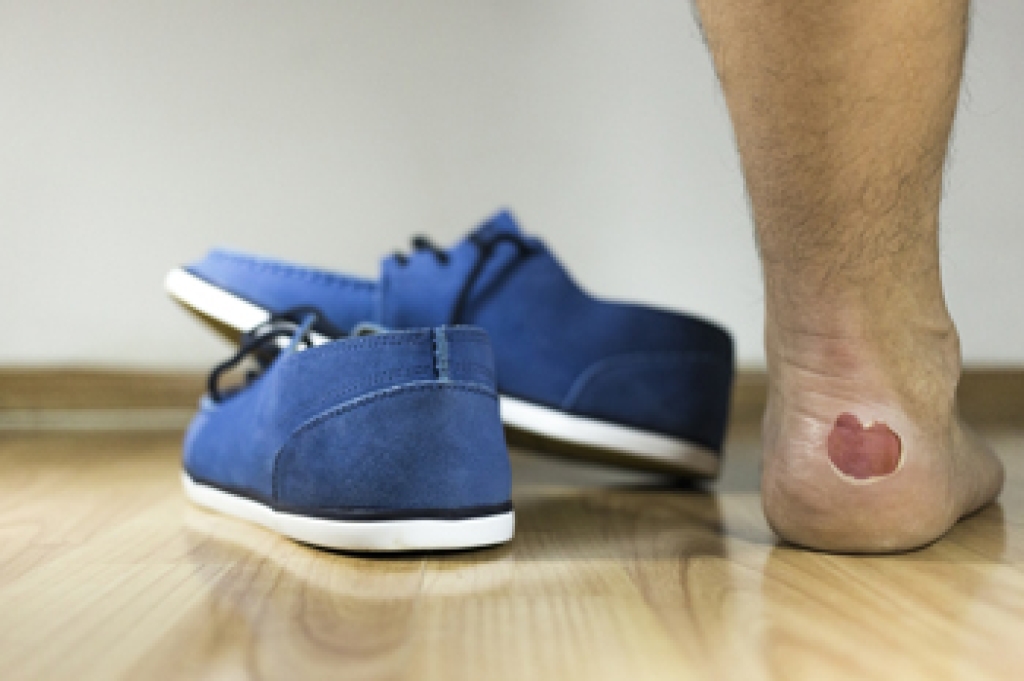
Common Causes of Blisters on the Feet

Foot blisters are small, fluid-filled pockets that develop when the skin is damaged or irritated. They commonly appear in areas exposed to repeated rubbing, pressure, or moisture. Symptoms may include tenderness, redness, and a raised area filled with clear fluid. Wearing poorly fitted shoes, increasing activity quickly, or walking for long periods of time can increase the risk. Most blisters heal with protection, but recurring or unusual blisters deserve professional evaluation.

Frostbite is another possible cause of foot blisters and develops when skin and underlying tissues freeze after prolonged exposure to extreme cold. Blisters may appear after the affected area begins warming. Frostbite can also cause numbness, pale or bluish skin, and severe pain. Risk increases with extended cold exposure, wet footwear, and inadequate protection. Frostbite requires prompt medical attention because deeper tissue damage can occur. Do not intentionally pop frostbite blisters.


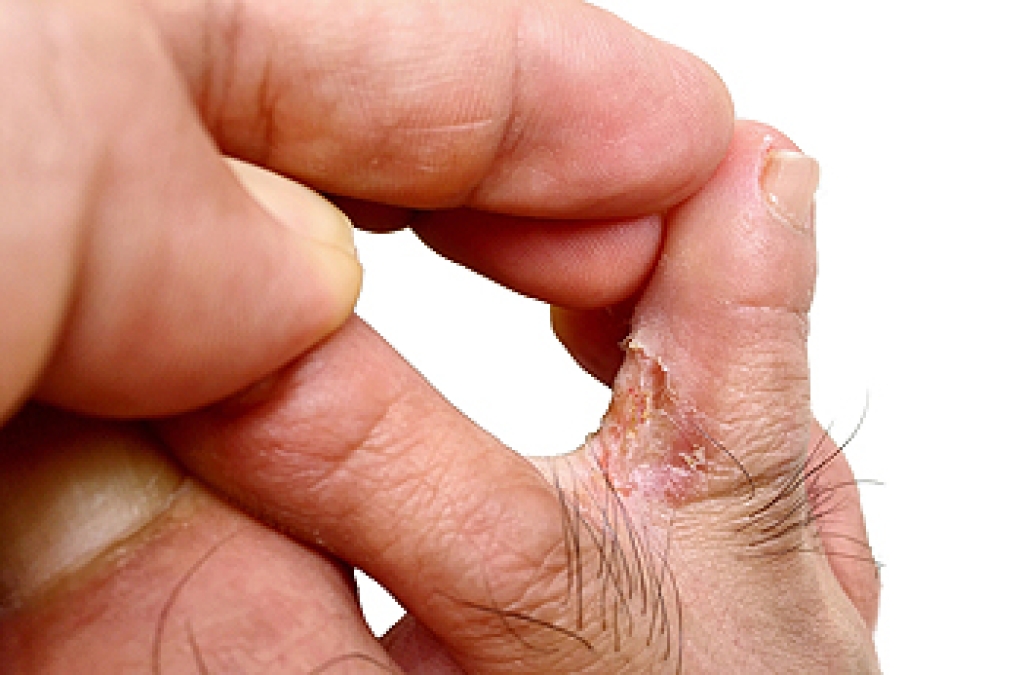
An allergic reaction can also cause blistering when the skin reacts to an irritating substance or allergen. New footwear materials, adhesives, or topical products may trigger contact dermatitis. Symptoms can include itching, redness, swelling, and small blisters. Fungal infections are another potential cause, particularly when athlete’s foot affects the skin between the toes. Fungal symptoms may include itching, scaling, and fluid-filled areas. Warm, damp environments and sweaty footwear increase infection risk.


A podiatrist can examine the skin, review your footwear and activities, and determine the likely cause of recurring blisters. Treatment may include protecting the area, recommending appropriate footwear, or addressing an allergic trigger. For suspected frostbite, urgent medical evaluation is important. Avoid popping blisters unless specifically directed by a podiatrist, and keep the area clean and protected. If you frequently develop blisters on your feet, it is suggested that you consult a podiatrist for effective relief and prevention tips, an accurate diagnosis and appropriate treatment.

Blisters are prone to making everyday activities extremely uncomfortable. If your feet are hurting, contact one of our podiatrists of Nassau Foot & Ankle. Our doctors can provide the care you need to keep you pain-free and on your feet.

Foot Blisters

Foot blisters develop as a result of constantly wearing tight or ill-fitting footwear. This happens due to the constant rubbing from the shoe, which can often lead to pain.

What Are Foot Blisters?

A foot blister is a small fluid-filled pocket that forms on the upper-most layer of the skin. Blisters are filled with clear fluid and can lead to blood drainage or pus if the area becomes infected.

How Do Blisters Form?

Blisters on the feet are often the result of constant friction of skin and material, usually by shoe rubbing. Walking in sandals, boots, or shoes that don’t fit properly for long periods of time can result in a blister. Having consistent foot moisture and humidity can easily lead to blister formation.

Prevention & Treatment

It is important to properly care for the affected area in order to prevent infection and ease the pain. Do not lance the blister and use a Band-Aid to provide pain relief. Also, be sure to keep your feet dry and wear proper fitting shoes. If you see blood or pus in a blister, seek assistance from a podiatrist.

If you have any questions, please feel free to contact our offices located in Oceanside, Franklin Square, and East Norwich, NY . We offer the newest diagnostic and treatment technologies for all your foot care needs.

Read more about Blisters

Plantar Warts Can Be Treated!

Plantar warts are small growths that develop on parts of the feet that bear weight. They're typically found on the bottom of the foot. Don't live with plantar warts, and call us today!

Why Does Athlete’s Foot Keep Coming Back?

Athlete’s foot, also called tinea pedis, is a fungal infection that affects the skin of the feet. The fungi responsible for the infection grow well in warm, damp areas. Athlete’s foot can spread through direct contact with infected skin or contaminated surfaces. Locker rooms, swimming areas, and shared showers can provide conditions where the fungi survive. The infection frequently begins between the toes, where moisture can collect. People whose feet sweat heavily can have a greater risk, especially when shoes keep their feet warm and damp.

Symptoms of athlete’s foot can vary depending on the type of infection. Skin between the toes can become cracked, peeling, or irritated. Itching and burning can also develop. Another form can cause dry, scaly skin across the sole and sides of the foot. Some infections cause small blisters or areas of inflamed skin. Scratching affected skin can spread the fungi to other areas of the body. Athlete’s foot can also return after treatment, especially when the feet are repeatedly exposed to environments where the fungi thrive. Certain cases can spread to the toenails and cause additional problems.

A podiatrist can examine the affected skin and determine whether the symptoms are caused by athlete’s foot or another skin condition. In some cases, a small skin sample can be tested to confirm a fungal infection. A podiatrist can recommend antifungal treatment based on the location and severity of the infection. Prescription treatment can be considered when an infection is persistent or more difficult to control. Proper diagnosis is important because other skin problems can resemble athlete’s foot and require different care. If you have symptoms of athlete’s foot, it is suggested that you schedule an appointment with a podiatrist for a diagnosis and appropriate treatment.

Athlete’s foot is an inconvenient condition that can be easily reduced with the proper treatment. If you have any concerns about your feet and ankles, contact one of our podiatrists from Nassau Foot & Ankle.  Our doctors will treat your foot and ankle needs.

Athlete’s Foot: The Sole Story

Athlete's foot, also known as tinea pedis, can be an extremely contagious foot infection. It is commonly contracted in public changing areas and bathrooms, dormitory style living quarters, around locker rooms and public swimming pools, or anywhere your feet often come into contact with other people.

Solutions to Combat Athlete’s Foot

  • Hydrate your feet by using lotion
  • Exfoliate
  • Buff off nails
  • Use of anti-fungal products
  • Examine your feet and visit your doctor if any suspicious blisters or cuts develop

Athlete’s foot can cause many irritating symptoms such as dry and flaking skin, itching, and redness. Some more severe symptoms can include bleeding and cracked skin, intense itching and burning, and even pain when walking. In the worst cases, Athlete’s foot can cause blistering as well. Speak to your podiatrist for a better understanding of the different causes of Athlete’s foot, as well as help in determining which treatment options are best for you.

If you have any questions please feel free to contact our offices located in Oceanside, Franklin Square, and East Norwich, NY . We offer the newest diagnostic and treatment technologies for all your foot and ankle needs.

Read more about How to Deal with Athlete's Foot

Common Causes of Painful Foot Cramps

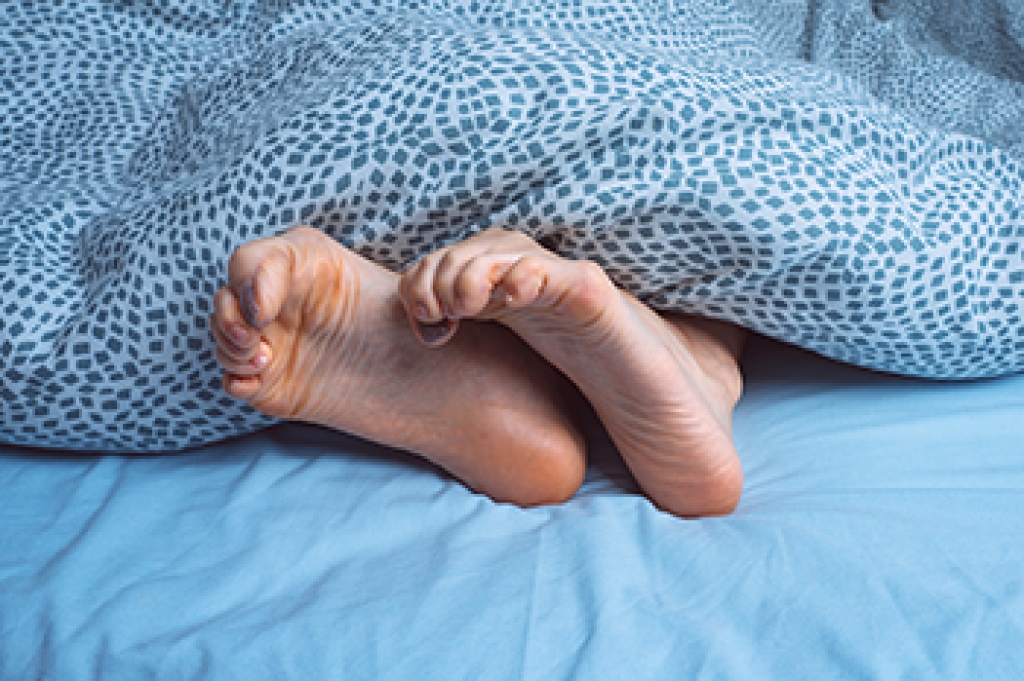
Foot cramps are sudden, painful muscle contractions that can affect the toes or arches. A cramp may cause muscles to tighten without warning, making movement difficult. Foot cramps can last seconds or several minutes. Occasional cramps may be harmless, but frequent episodes can interfere with walking, exercise, and sleep. Understanding causes can help reduce triggers and protect your feet.

Dehydration is a common cause of foot cramps because fluid loss can affect muscle function. Physical activity may also trigger cramping when muscles become tired or are used more than usual. Wearing wrong footwear can place unusual pressure on the feet and contribute to muscle fatigue. Additionally, pregnancy can increase the likelihood of cramps because the body undergoes physical changes and carries additional weight. Risk factors may include prolonged standing and muscle strain. Paying attention to patterns can help identify triggers.


Symptoms usually include sudden tightening, sharp pain, and temporary difficulty moving the affected foot. A podiatrist can evaluate recurring foot cramps by reviewing your symptoms, activity level, and health history. The examination may assess muscle function, foot structure, and flexibility. A podiatrist may recommend hydration, stretching, or changes to activity. Treatment focuses on the underlying cause and may include physical therapy or orthotics when appropriate. Follow-up care can help determine whether symptoms improve.


You can help reduce foot cramps by drinking enough fluids, choosing properly-fitted shoes, and increasing physical activity. Gentle stretching may help prepare the muscles. If cramps occur frequently, become severe, or continue despite changes, a podiatric evaluation is important. A podiatrist can determine whether another foot problem or health condition contributes to your symptoms. If you have foot cramps, it is suggested that you consult a podiatrist for effective relief and prevention solutions.

Foot Pain

Foot pain can be extremely painful and debilitating. If you have a foot pain, consult with one of our podiatrists from Nassau Foot & Ankle. Our doctors will assess your condition and provide you with quality foot and ankle treatment.

Causes

Foot pain is a very broad condition that could be caused by one or more ailments. The most common include:

  • Bunions
  • Hammertoes
  • Plantar Fasciitis
  • Bone Spurs
  • Corns
  • Tarsal Tunnel Syndrome
  • Ingrown Toenails
  • Arthritis (such as Gout, Rheumatoid, and Osteoarthritis)
  • Flat Feet
  • Injury (from stress fractures, broken toe, foot, ankle, Achilles tendon ruptures, and sprains)
  • And more

Diagnosis

To figure out the cause of foot pain, podiatrists utilize several different methods. This can range from simple visual inspections and sensation tests to X-rays and MRI scans. Prior medical history, family medical history, and any recent physical traumatic events will all be taken into consideration for a proper diagnosis.

Treatment

Treatment depends upon the cause of the foot pain. Whether it is resting, staying off the foot, or having surgery; podiatrists have a number of treatment options available for foot pain.

If you have any questions, please feel free to contact our offices located in Oceanside, Franklin Square, and East Norwich, NY . We offer the newest diagnostic and treatment technologies for all your foot care needs.
Read more about Foot Pain

Preventing Falls and Protecting Elderly Feet

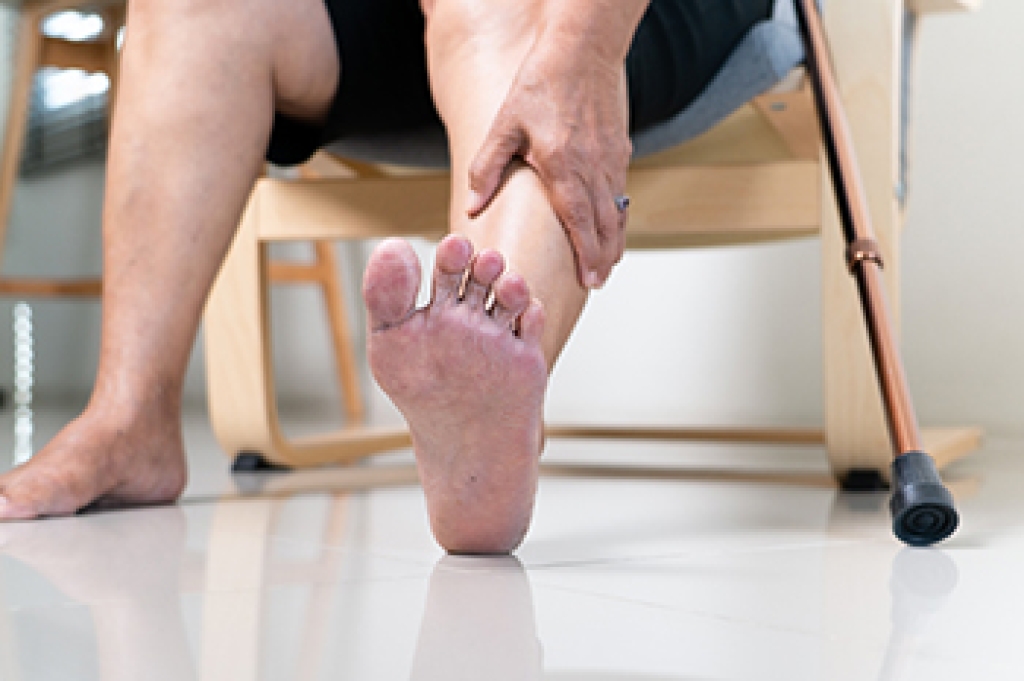
Aging feet deserve a little extra care and attention, especially because foot problems can become more common as we get older. Changes in the feet may affect comfort, balance, and mobility, making everyday activities more difficult. Common concerns include arthritis, bunions, and neuropathy, while dry skin may become cracked and toenails may gradually become thicker. Swelling can also develop and make shoes feel uncomfortable. A podiatrist can also provide helpful guidance and identify concerns before they become more serious.

With age, several natural changes can affect the health of the feet. The skin may become thinner and less flexible, while the natural cushioning under the feet may decrease. Vision changes or difficulty bending and reaching the feet can make routine foot care more challenging. As a result, thick toenails, small cuts, or other concerns may go unnoticed.

Certain factors can make foot problems more likely. Shoes that do not fit properly may cause discomfort and affect stability, while worn soles can reduce traction. Loose footwear and uneven walking surfaces may also increase the chance of slipping or falling. Limited mobility, diabetes, and neuropathy can create additional concerns. A simple daily routine can make a meaningful difference. Gently wash and dry your feet, apply moisturizer to dry areas while avoiding the spaces between the toes, and wear supportive shoes that fit comfortably. Keeping walking areas clear can also help create a safer environment.

A podiatrist can provide personalized care to help keep aging feet healthy and comfortable. During an examination, the podiatrist may review your symptoms, examine your skin and toenails, and check circulation, sensation, and the way you walk. Treatment depends on your individual needs, and may include wound care, orthotics, or exercises to improve strength and stability. If you have foot pain or notice other changes in your feet, it is suggested that you consult a podiatrist for an accurate diagnosis and appropriate treatment. 

Proper foot care is something many older adults forget to consider. If you have any concerns about your feet and ankles, contact one of our podiatrists from Nassau Foot & Ankle. Our doctors can provide the care you need to keep you pain-free and on your feet.

The Elderly and Their Feet

As we age we start to notice many changes in our body, but the elder population may not notice them right away. Medical conditions may prevent the elderly to take notice of their foot health right away. Poor vision is a lead contributor to not taking action for the elderly.

Common Conditions 

  • Neuropathy – can reduce feeling in the feet and can hide many life-threatening medical conditions.
  • Reduced flexibility – prevents the ability of proper toenail trimming, and foot cleaning. If left untreated, it may lead to further medical issues.
  • Foot sores – amongst the older population can be serious before they are discovered. Some of the problematic conditions they may face are:
  • Gouging toenails affecting nearby toe
  • Shoes that don’t fit properly
  • Pressure sores
  • Loss of circulation in legs & feet
  • Edema & swelling of feet and ankles

Susceptible Infections

Diabetes and poor circulation can cause general loss of sensitivity over the years, turning a simple cut into a serious issue.

If you have any questions, please feel free to contact our offices located in Oceanside, Franklin Square, and East Norwich, NY . We offer the newest diagnostic and treatment technologies for all your foot care needs.
Read more about Taking Care of Elderly Feet

Connect With Us