Using a Resistance Band to Stretch the Calves

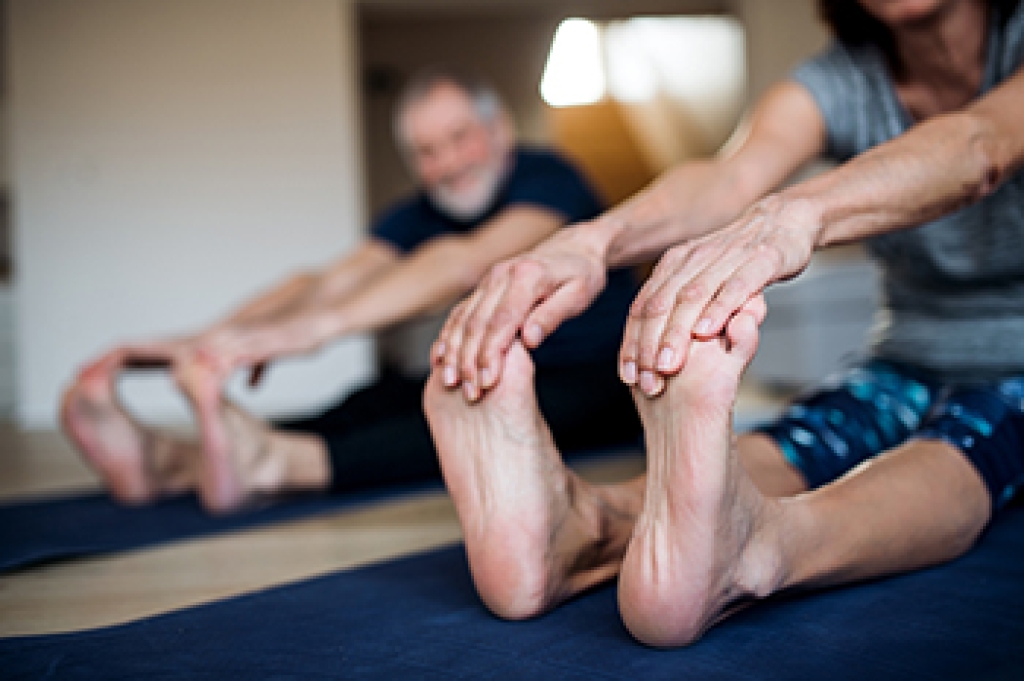
A resistance band is an elastic band typically used for stretching and strength training. If you are not particularly flexible, using a resistance band may be helpful in building flexibility and getting the full benefits of a stretch. A resistance band may be used to do a simple calf stretch. Sit on the floor with both legs straight out in front of you, then wrap the resistance band around the bottom of one foot. Holding one end of the band in each hand, pull the band toward you to flex your foot. Hold this stretch for 30 seconds, then switch sides and repeat on the other foot. For more information about how you can use a resistance band to stretch your feet and ankles, please consult with a podiatrist.

Stretching the feet is a great way to prevent injuries. If you have any concerns with your feet consult with one of our podiatrists from Nassau Foot & Ankle. Our doctors will assess your condition and provide you with quality foot and ankle treatment.

Stretching the Feet

Being the backbone of the body, the feet carry your entire weight and can easily become overexerted, causing cramps and pain. As with any body part, stretching your feet can serve many benefits. From increasing flexibility to even providing some pain relief, be sure to give your feet a stretch from time to time. This is especially important for athletes or anyone performing aerobic exercises, but anyone experiencing foot pain or is on their feet constantly should also engage in this practice.

Great ways to stretch your feet:

  • Crossing one leg over the others and carefully pull your toes back. Do 10-20 repetitions and repeat the process for each foot
  • Face a wall with your arms out and hands flat against the wall. Step back with one foot and keep it flat on the floor while moving the other leg forward. Lean towards the wall until you feel a stretch. Hold for 30 seconds and perform 10 repetitions for each foot
  • Be sure not to overextend or push your limbs too hard or you could risk pulling or straining your muscle

Individuals who tend to their feet by regular stretching every day should be able to minimize foot pain and prevent new problems from arising.

If you have any questions please contact our offices located in Oceanside, Franklin Square, and East Norwich, NY . We offer the newest diagnostic and treatment technologies for all your foot and ankle needs.

Read more about Stretching Your Feet

Three Groups of Peripheral Nerves

The condition that is known as neuropathy is generally referred to as peripheral neuropathy. It often affects the nerves in the feet, and can produce symptoms that can include numbing and tingling sensations. Additionally, many patients have a loss of feeling in the feet, and muscle weakness may develop. Research has indicated there are three groups of peripheral nerves. Nerves that promote feeling are known as sensory nerves, and movement nerves are referred to as motor nerves. Bodily functions that consist of sweating and digesting food fall into the autonomic group of nerves. Once a proper diagnosis is performed, which may involve  having a blood test performed or spinal fluid extracted, treatment can begin. If you are experiencing symptoms of neuropathy, it is strongly suggested that you consult with a podiatrist who can determine what the best course of treatment is for you.

Neuropathy

Neuropathy can be a potentially serious condition, especially if it is left undiagnosed. If you have any concerns that you may be experiencing nerve loss in your feet, consult with one of our podiatrists from Nassau Foot & Ankle. Our doctors will assess your condition and provide you with quality foot and ankle treatment for neuropathy.

What Is Neuropathy?

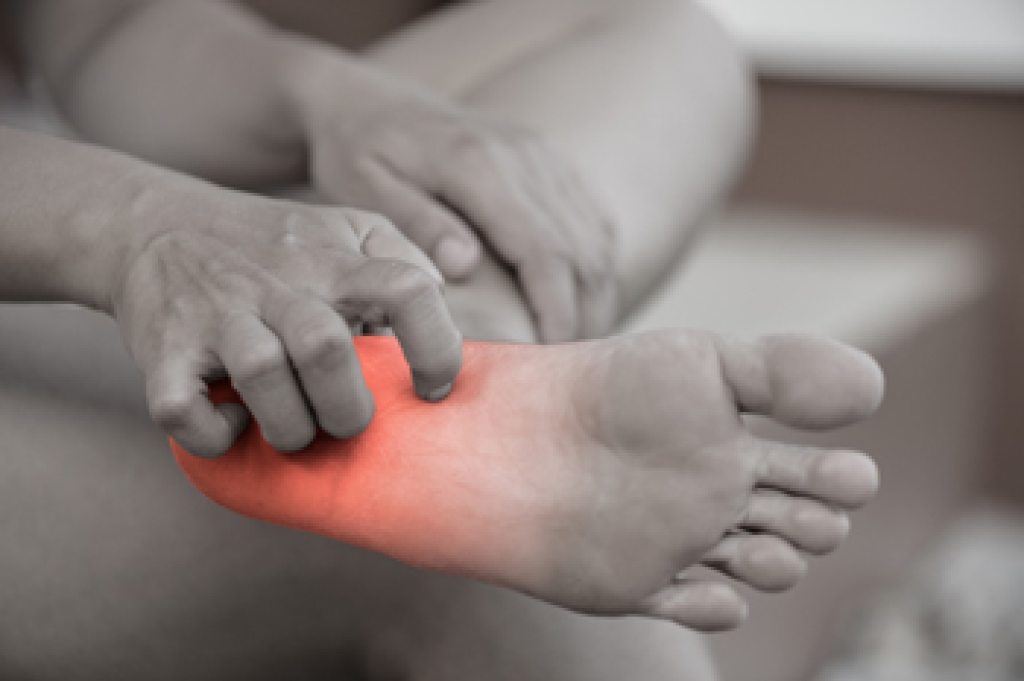
Neuropathy is a condition that leads to damage to the nerves in the body. Peripheral neuropathy, or neuropathy that affects your peripheral nervous system, usually occurs in the feet. Neuropathy can be triggered by a number of different causes. Such causes include diabetes, infections, cancers, disorders, and toxic substances.

Symptoms of Neuropathy Include:

  • Numbness
  • Sensation loss
  • Prickling and tingling sensations
  • Throbbing, freezing, burning pains
  • Muscle weakness

Those with diabetes are at serious risk due to being unable to feel an ulcer on their feet. Diabetics usually also suffer from poor blood circulation. This can lead to the wound not healing, infections occurring, and the limb may have to be amputated.

Treatment

To treat neuropathy in the foot, podiatrists will first diagnose the cause of the neuropathy. Figuring out the underlying cause of the neuropathy will allow the podiatrist to prescribe the best treatment, whether it be caused by diabetes, toxic substance exposure, infection, etc. If the nerve has not died, then it’s possible that sensation may be able to return to the foot.

Pain medication may be issued for pain. Electrical nerve stimulation can be used to stimulate nerves. If the neuropathy is caused from pressure on the nerves, then surgery may be necessary.

If you have any questions, please feel free to contact our offices located in Oceanside, Franklin Square, and East Norwich, NY . We offer the newest diagnostic and treatment technologies for all your foot care needs.

Read more about Neuropathy

Keep Your Feet Healthy So You Can Stay Active

Have your feet inspected by a professional before starting a new sport or physical activity. Taking charge of your foot health will keep you in good physical condition and can help you avoid a potential injury, such as a fracture or sprained ankle.

Prevent injuries and see a foot specialist.

How Flat Feet Can Affect Your Tennis Performance

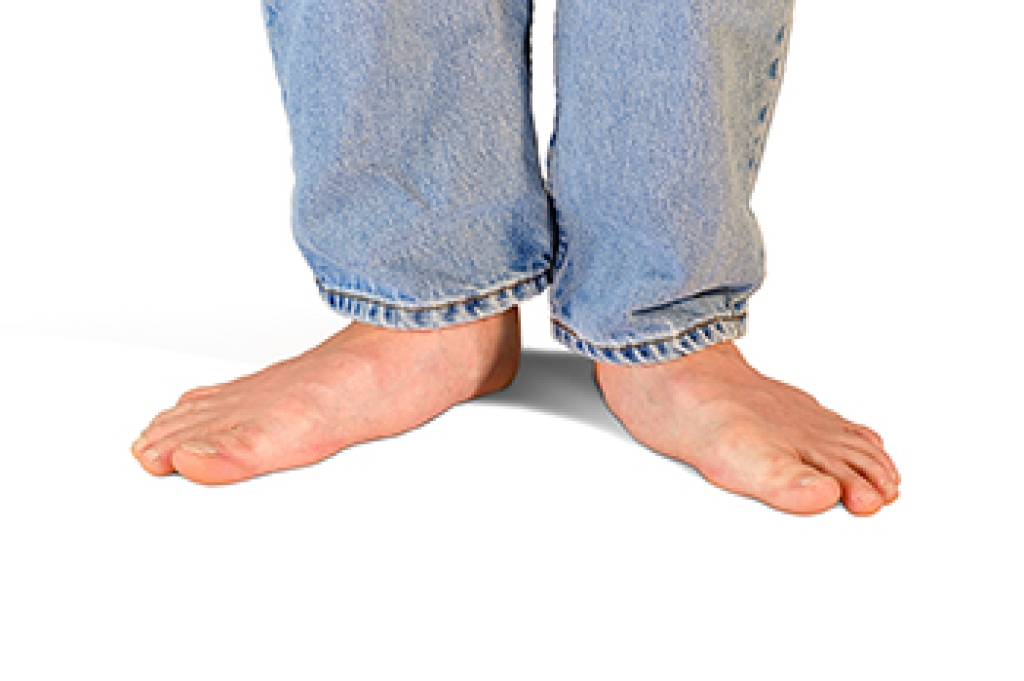
Research has indicated that a staggering 30% of the world's population has the medical condition known as flat feet. People with flat feet who also enjoy tennis can experience challenges while playing the game, which can result in intense pain. They may notice their feet roll inward, which can affect the function of their ankle joints, and ultimately weaken their tennis play. Flat feet may also lead to additional issues involving the ankles and other parts of the foot. Research has indicated it may help to wear specific shoes while playing tennis, such as those that do not bend in the arch area, and that have adequate room for the toes to move freely. If you have flat feet, and would like additional information on preventing sports injuries and advice on proper footwear, please consult with a podiatrist.

Flatfoot is a condition many people suffer from. If you have flat feet, contact one of our podiatrists from Nassau Foot & Ankle. Our doctors will treat your foot and ankle needs.

What Are Flat Feet?

Flatfoot is a condition in which the arch of the foot is depressed and the sole of the foot is almost completely in contact with the ground. About 20-30% of the population generally has flat feet because their arches never formed during growth.

Conditions & Problems:

Having flat feet makes it difficult to run or walk because of the stress placed on the ankles.

Alignment – The general alignment of your legs can be disrupted, because the ankles move inward which can cause major discomfort.

Knees – If you have complications with your knees, flat feet can be a contributor to arthritis in that area.  

Symptoms

  • Pain around the heel or arch area
  • Trouble standing on the tip toe
  • Swelling around the inside of the ankle
  • Flat look to one or both feet
  • Having your shoes feel uneven when worn

Treatment

If you are experiencing pain and stress on the foot you may weaken the posterior tibial tendon, which runs around the inside of the ankle. 

If you have any questions, please feel free to contact our offices located in Oceanside, Franklin Square, and East Norwich, NY . We offer the newest diagnostic and treatment technologies for all your foot care needs.

Read more about Flat Feet

What Are Common Causes of Plantar Fasciitis?

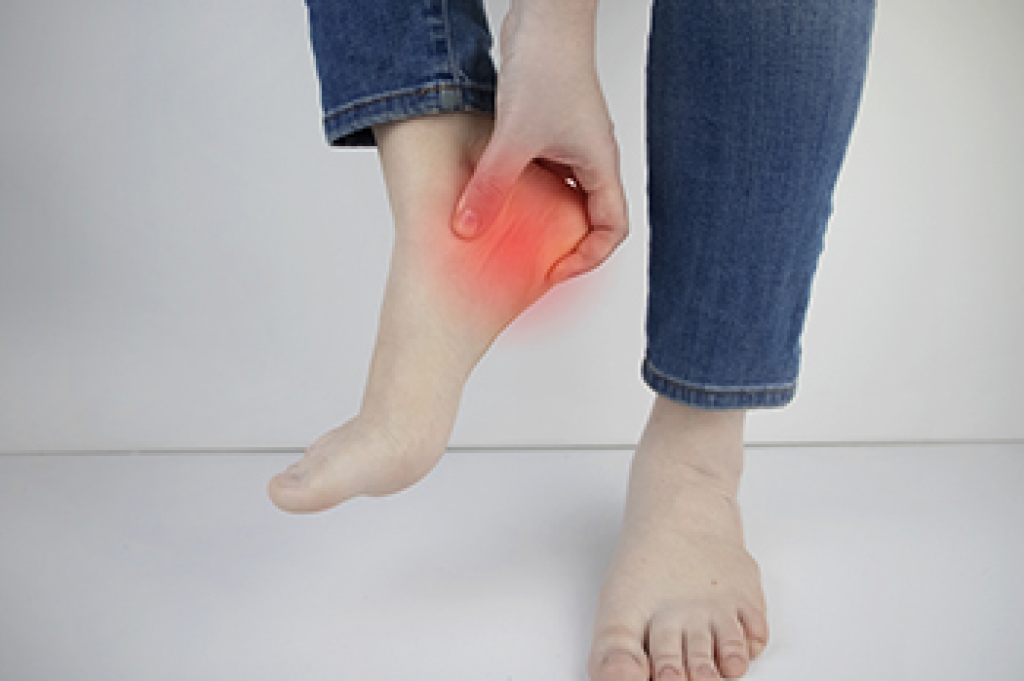
The plantar fascia is a tendon located on the bottom of the foot. It is known for being strong and inflexible, and supports the arch of the foot. This tendon connects the heel to the toes, and a healthy plantar fascia plays a significant role in completing daily activities without pain. An imbalance in the style of walking can alter the foot mechanics, and the plantar fascia may become damaged. This can lead to inflammation of this tendon, which in turn may become plantar fasciitis. Some of the causes that are associated with this ailment can include obesity, and standing on hard surfaces for the majority of the day. Additionally, a sudden increase in speed and intensity during running may lead to gradual development of plantar fasciitis. This condition can cause severe pain and discomfort, and it is suggested that you are under the care of a podiatrist who can properly diagnose and treat plantar fasciitis.

Plantar fasciitis can be very painful and inconvenient. If you are experiencing heel pain or symptoms of plantar fasciitis, contact one of our podiatrists  from Nassau Foot & Ankle. Our doctors can provide the care you need to keep you pain-free and on your feet.

What Is Plantar Fasciitis?

Plantar fasciitis is the inflammation of the thick band of tissue that runs along the bottom of your foot, known as the plantar fascia, and causes mild to severe heel pain.

What Causes Plantar Fasciitis?

  • Excessive running
  • Non-supportive shoes
  • Overpronation
  • Repeated stretching and tearing of the plantar fascia

How Can It Be Treated?

  • Conservative measures – anti-inflammatories, ice packs, stretching exercises, physical therapy, orthotic devices
  • Shockwave therapy – sound waves are sent to the affected area to facilitate healing and are usually used for chronic cases of plantar fasciitis
  • Surgery – usually only used as a last resort when all else fails. The plantar fascia can be surgically detached from the heel

While very treatable, plantar fasciitis is definitely not something that should be ignored. Especially in severe cases, speaking to your doctor right away is highly recommended to avoid complications and severe heel pain. Your podiatrist can work with you to provide the appropriate treatment options tailored to your condition.

If you have any questions, please feel free to contact our offices located in Oceanside, Franklin Square, and East Norwich, NY . We offer the newest diagnostic and treatment technologies for all your foot care needs.

Read more about Plantar Fasciitis

Connect With Us