Changes in Your Toes May Signal Health Problems

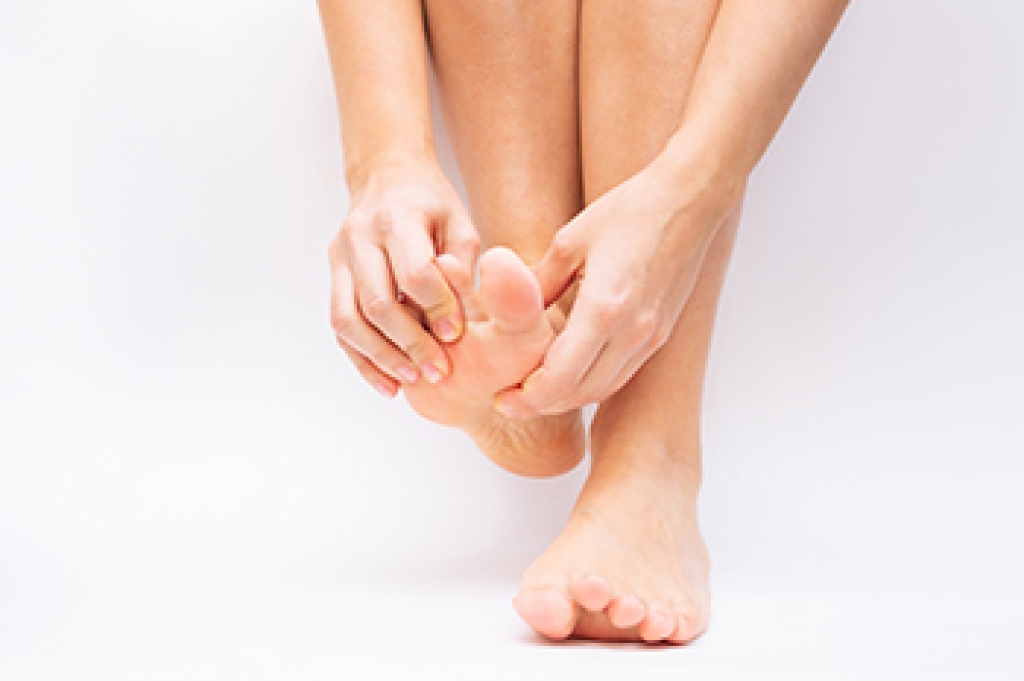
Changes to your toes and toenails can serve as silent indicators of your overall health. They may reveal underlying health issues, such as arthritis, heart disease, anemia, and diabetes. Painful, inflamed toe joints could be a sign of arthritis, including rheumatoid arthritis, osteoarthritis, psoriatic arthritis, or gout. Clubbed toes, characterized by toe enlargement and curving toenails, may suggest lung or heart problems. Toenails that appear scooped out might be linked to anemia or autoimmune disorders. Tingling, burning, or numbness in your toes are common signs of peripheral neuropathy, often associated with diabetes. Be vigilant about changes in your toenails or the appearance of any suspicious moles, as melanoma can also affect your toes. Also, nail bed changes, like half-and-half nails, where half of the nail bed appears white while the other half is a shade of red, pink, or brown, may indicate kidney disease. Washed-out toenails, with white or pale nails and a pink or brown band, can point to liver conditions. These subtle indicators can provide valuable insights into your well-being and for that reason should not be ignored. If you have noticed distinct changes to your toes or toenails, it is suggested that you make an appointment with a podiatrist for an exam and diagnosis.

When dealing with systemic disease of the feet, it is extremely important to check the affected areas routinely so that any additional problems are caught quickly.  If you have any concerns about your feet and ankles contact one of our podiatrists from Nassau Foot & Ankle. Our doctors will assist you with all of your podiatric needs.

Systemic Diseases of the Feet

Systemic diseases affect the whole body, and symptoms usually are displayed in the feet. This condition can make a patient’s ability to walk unbearable.  Systemic diseases include gout, diabetes mellitus, neurological disorders, and arthritis.

Gout – is caused by an excess of uric acid in the body. Common symptoms include pain, inflammation, and redness at the metatarsal/phalangeal joint of the base big toe. Gout can be treated by NSAIDs to relieve pain and inflammation, and other drugs that lower the acid levels in the body.

Diabetes mellitus – is an increase in the level of blood sugar that the body cannot counteract with its own insulin. Failure to produce enough insulin is a factor in Diabetes.

Diabetes of the Feet

Diabetic Neuropathy – may lead to damaged nerves and affect the feet through numbness and loss of sensation.

Peripheral Vascular Disease – can restrict the blood flow to the feet, and often times lead to amputation of the feet. 

If you have any questions please contact our offices located in Oceanside, Franklin Square, and East Norwich, NY . We offer the newest diagnostic and treatment technologies for all your foot and ankle needs.

Read more about Systemic Diseases of the Foot

Different Types of Running Shoes

There are five main categories of running shoes that vary and fit with different running endeavors. First, there are spikes, designed for sprinting on tracks or cross-country courses. These lightweight shoes are known for their stiff plastic or metal spikes and minimal cushioning, offering superb traction for track workouts and actual racing events. Racing flats are tailored for road races and are available in a range of cushioning options, catering to different race distances. They are lighter and tend to be stiffer than training shoes, making them ideal for racing, although not for everyday training due to their minimal build. Lightweight trainers can add speed to a running routine and are good for sprints, tempo runs, and intervals because they are lightweight and flexible. Daily trainers are the workhorses of a running shoe collection. These shoes are generally moderately cushioned and built with durability in mind. They are the most comfortable choice for most types of runs, including easy runs, long runs, and recovery runs. Lastly, trail shoes are designed for off-road running, where rocks, roots, mud, and uneven surfaces can be encountered. These shoes vary widely, from lightly cushioned models resembling racing flats to bulkier options that resemble hiking boots. Their common features include enhanced tread, rock plates to protect against sharp objects, and reinforced uppers to withstand rugged terrains. If you are a runner and plan to run on different surfaces and under varied conditions, it is suggested that you make an appointment with a podiatrist. This type of doctor is able to discuss the types of running shoes to include in your assortment that can help to ensure your best comfort and performance.

You should always make sure your running shoes fit properly in order to avoid injury. For more information, contact one of our podiatrists from Nassau Foot & Ankle. Our doctors can provide the care you need to keep you pain-free and on your feet.

Choosing the Right Running Shoe for Your Foot Type

Improper shoe sizing can cause a myriad of problems for your feet. Shoes that don’t fit you properly can lead to muscular imbalances in your body, which can result in foot, knee, and hip injuries.

Tips for Finding the Right Running Shoe

  • Make sure you have a thumb’s width of wiggle room between the end of your longest toe and the front of the shoe.
  • There should be little to no slipping at the heel
  • Don’t assume your size in one shoe brand will be your size in another
  • Do not lace up your shoes too tightly
  • Walk around in the store with your new shoes before you buy them

If you have any questions, please feel free to contact our offices located in Oceanside, Franklin Square, and East Norwich, NY . We offer the newest diagnostic and treatment technologies for all your foot care needs.

Read more about Choosing the Right Running Shoe

Strategies That May Help to Prevent Toenail Fungus

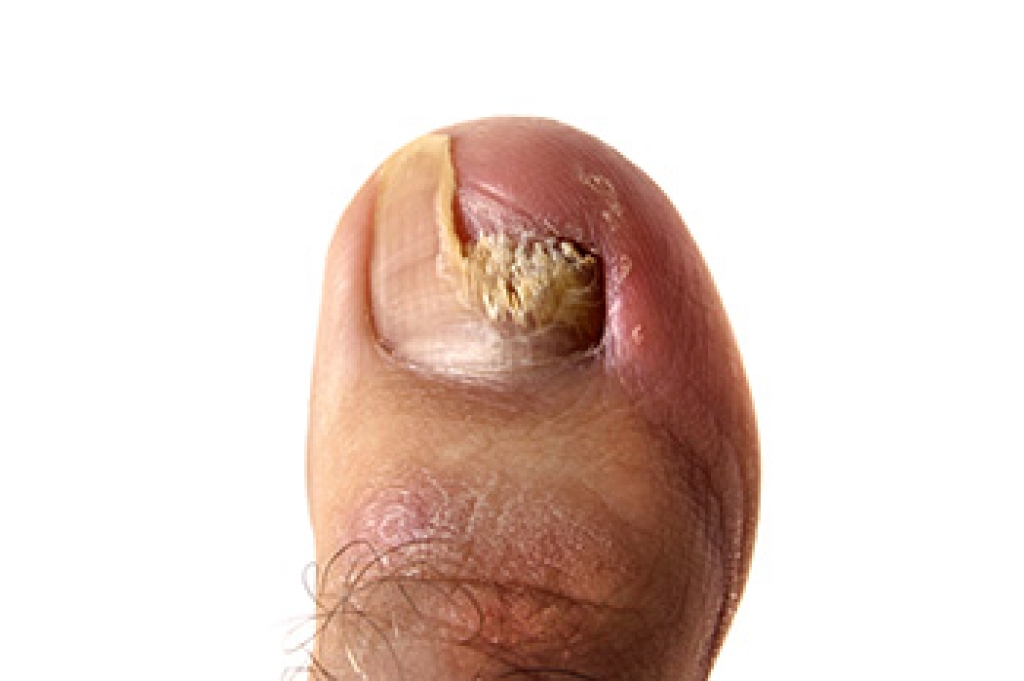
Toenail fungus, medically known as onychomycosis, can be a persistent and unsightly problem. However, staying vigilant and proactive can help you maintain healthy toenails. One of the primary prevention strategies is maintaining good foot hygiene. Regularly wash your feet with soap and water, ensuring to dry them thoroughly, especially between the toes. Keep your toenails trimmed and cut them straight across to prevent debris buildup. Opt for breathable footwear and moisture-wicking socks to reduce the risk of fungal growth in damp environments. If you visit public pools or locker rooms, it is helpful to wear shower shoes that can minimize contact with potentially contaminated surfaces. Additionally, avoid sharing personal items such as nail clippers or shoes with others. Lastly, manage underlying health conditions, as problems like diabetes or weakened immune systems can increase susceptibility to toenail fungus. If you have toenail fungus, it is strongly suggested that you speak with a podiatrist for effective treatment methods and additional prevention strategies.

For more information about treatment, contact one of our podiatrists of Nassau Foot & Ankle. Our doctors can provide the care you need to keep you pain-free and on your feet.

Toenail Fungus Treatment

Toenail fungus is a condition that affects many people and can be especially hard to get rid of. Fortunately, there are several methods to go about treating and avoiding it.

Antifungals & Deterrence

Oral antifungal medicine has been shown to be effective in many cases. It is important to consult with a podiatrist to determine the proper regiment for you, or potentially explore other options.

Applying foot powder on the feet and shoes helps keep the feet free of moisture and sweat.

Sandals or open toed shoes – Wearing these will allow air movement and help keep feet dry. They also expose your feet to light, which fungus cannot tolerate. Socks with moisture wicking material also help as well.

If you have any questions please contact our offices located in Oceanside, Franklin Square, and East Norwich, NY . We offer the newest diagnostic and treatment technologies for all your foot and ankle needs.
Read more about Toenail Fungus

Gout Pain Can Be Managed

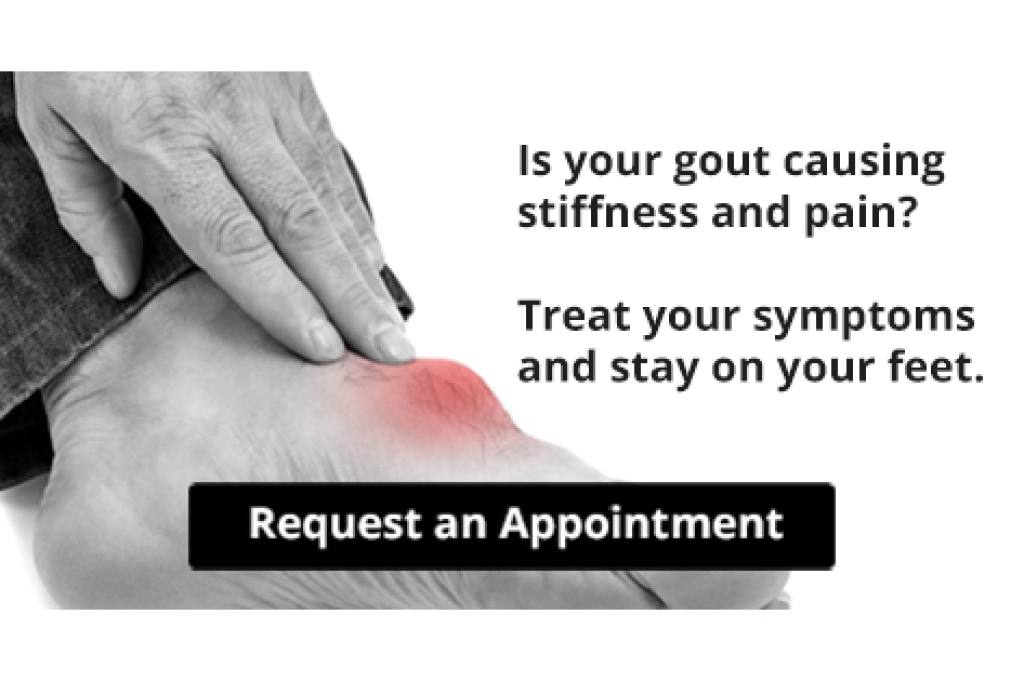
Gout is a painful, inflammatory form of arthritis. Those affected will typically feel an intense stiffness in the joints of their feet, particularly in the big toe. Schedule a visit to learn about how gout can be managed and treated.

Diagnosis and Treatment of Cuboid Syndrome in Athletes

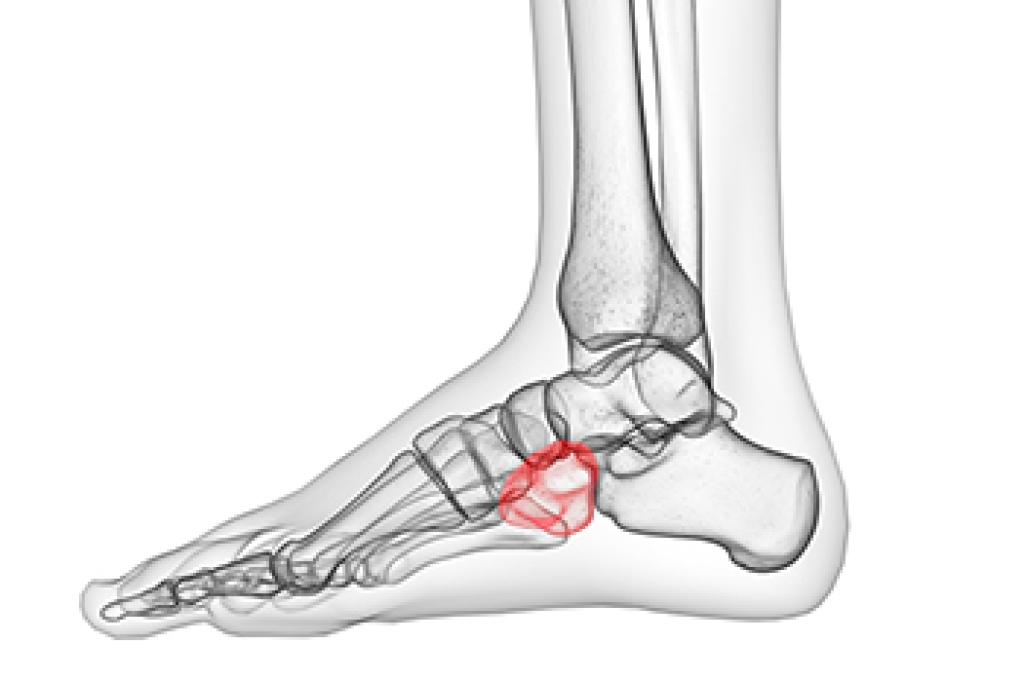
Cuboid syndrome is a relatively uncommon but painful condition that can affect athletes, particularly those engaged in sports that involve repetitive foot movements or sudden directional changes. It occurs when the cuboid bone in the foot becomes misaligned or irritated, leading to discomfort and limited mobility. Diagnosing cuboid syndrome can be challenging. The symptoms associated with this condition consist of pain along the outer edge of the foot, difficulty bearing weight, and a decreased range of motion and can resemble other foot and ankle injuries. A thorough physical examination, along with imaging studies such as X-rays or an MRI, may be required to confirm the diagnosis. Treatment for cuboid syndrome typically involves conservative approaches. Rest, compression, and elevation can help reduce pain and inflammation. Physical therapy exercises to strengthen foot muscles and improve joint stability are also beneficial. In some cases, manual manipulation by a podiatrist may be necessary to realign the cuboid bone. Athletes experiencing persistent foot pain should seek prompt evaluation and diagnosis, as early intervention can lead to quicker recovery. If you have lateral foot pain, it is suggested that you consult a podiatrist who can accurately diagnose and treat cuboid syndrome.

Cuboid syndrome, also known as cuboid subluxation, occurs when the joints and ligaments near the cuboid bone in the foot become torn. If you have cuboid syndrome, consult with one of our podiatrists from Nassau Foot & Ankle. Our doctors will assess your condition and provide you with quality foot and ankle treatment.

Cuboid syndrome is a common cause of lateral foot pain, which is pain on the outside of the foot. The condition may happen suddenly due to an ankle sprain, or it may develop slowly overtime from repetitive tension through the bone and surrounding structures.

Causes

The most common causes of cuboid syndrome include:

  • Injury – The most common cause of this ailment is an ankle sprain.
  • Repetitive Strain – Tension placed through the peroneus longus muscle from repetitive activities such as jumping and running may cause excessive traction on the bone causing it to sublux.
  • Altered Foot Biomechanics – Most people suffering from cuboid subluxation have flat feet.

Symptoms

A common symptom of cuboid syndrome is pain along the outside of the foot which can be felt in the ankle and toes. This pain may create walking difficulties and may cause those with the condition to walk with a limp.

Diagnosis

Diagnosis of cuboid syndrome is often difficult, and it is often misdiagnosed. X-rays, MRIs and CT scans often fail to properly show the cuboid subluxation. Although there isn’t a specific test used to diagnose cuboid syndrome, your podiatrist will usually check if pain is felt while pressing firmly on the cuboid bone of your foot.

Treatment

Just as the range of causes varies widely, so do treatments. Some more common treatments are ice therapy, rest, exercise, taping, and orthotics.

If you have any questions, please feel free to contact our offices located in Oceanside, Franklin Square, and East Norwich, NY . We offer the newest diagnostic and treatment technologies for all your foot care needs.

Read more about All About Cuboid Syndrome

Connect With Us