
Achilles Tendon Enthesopathy and Heel Pain

Achilles tendon enthesopathy affects the area where the Achilles tendon attaches to the back of the heel bone. The attachment point is called the enthesis, and repeated stress or inflammation in this area can cause pain and tenderness. Unlike pain located in the middle portion of the Achilles tendon, enthesopathy usually causes discomfort close to the heel attachment. Symptoms may include pain at the back of the heel, stiffness after periods of rest, and tenderness when touched. Some people may also notice swelling or thickening surrounding the tendon attachment.

Several factors can contribute to Achilles tendon enthesopathy. Repetitive activities such as running, jumping, and sports can place repeated stress on the tendon. Tight calf muscles may increase tension through the Achilles tendon, while changes in foot mechanics can affect how forces travel through the ankle and heel. Risk factors include increasing activity too quickly, being physically active without adequate recovery, and wearing unsupportive footwear. Age can also influence tendon health because tendons may become less flexible and slower to recover.


A podiatrist can evaluate Achilles tendon pain by reviewing activity levels, previous injuries, and symptom patterns. Imaging may be recommended when symptoms are persistent or when another injury needs to be ruled out. Treatment depends on the cause and severity. A podiatrist may recommend temporary activity modification, strengthening exercises, or custom orthotics when abnormal foot mechanics contribute to stress on the Achilles tendon.


Ignoring persistent Achilles pain can allow irritation to continue and may make everyday activities more difficult. Treatment should focus on reducing excessive stress while gradually restoring strength and flexibility. A podiatrist can help establish a recovery plan that supports a safe return to walking, exercise, and sports. If you have pain in your Achilles tendon, it is suggested that you consult a podiatrist who can accurately diagnose and treat Achilles tendon injuries.

Achilles tendon injuries need immediate attention to avoid future complications. If you have any concerns, contact one of our podiatrists of Nassau Foot & Ankle. Our doctors can provide the care you need to keep you pain-free and on your feet.

What Is the Achilles Tendon?

The Achilles tendon is a tendon that connects the lower leg muscles and calf to the heel of the foot. It is the strongest tendon in the human body and is essential for making movement possible. Because this tendon is such an integral part of the body, any injuries to it can create immense difficulties and should immediately be presented to a doctor.

What Are the Symptoms of an Achilles Tendon Injury?

There are various types of injuries that can affect the Achilles tendon. The two most common injuries are Achilles tendinitis and ruptures of the tendon.

Achilles Tendinitis Symptoms

  • Inflammation
  • Dull to severe pain
  • Increased blood flow to the tendon
  • Thickening of the tendon

Rupture Symptoms

  • Extreme pain and swelling in the foot
  • Total immobility

Treatment and Prevention

Achilles tendon injuries are diagnosed by a thorough physical evaluation, which can include an MRI. Treatment involves rest, physical therapy, and in some cases, surgery. However, various preventative measures can be taken to avoid these injuries, such as:

  • Thorough stretching of the tendon before and after exercise
  • Strengthening exercises like calf raises, squats, leg curls, leg extensions, leg raises, lunges, and leg presses

If you have any questions please feel free to contact our offices located in Oceanside, Franklin Square, and East Norwich, NY . We offer the newest diagnostic tools and technology to treat your foot and ankle needs.

Read more about Achilles Tendon Injuries

When Toe Pain Means a Fracture

Toe pain can develop after an injury, and a fracture is one possible cause. Toe fractures commonly occur when a heavy object falls on the foot or when a toe is forcefully stubbed. These injuries can affect movement because the toes help support the foot while walking. Common signs of a fractured toe include pain, swelling, and tenderness. Bleeding may also develop beneath the toenail, particularly when the toe has been crushed. Although many toe fractures involve little movement of the broken bone, certain injuries can be more complicated and require medical attention.


Diagnosing a toe fracture depends partly on the location and appearance of the injury. X-rays may be needed when the toe appears rotated, a joint may be involved, or part of the big toe is injured. When imaging is necessary, different X-ray views can help medical professionals examine the damaged bone. A displaced fracture means that the broken portions of bone have moved out of their normal position. A toe that appears deformed may indicate a more complicated injury. Fractures involving the big toe can require particular attention because this toe plays an important role in supporting the foot.


A podiatrist can examine toe pain after an injury and determine whether a fracture may be responsible. The examination can assess swelling and tenderness while checking the position of the injured toe. Imaging can provide additional information when needed. Treatment depends on the type and severity of the injury. Many toe fractures involve stabilizing the injured toe next to another toe. However, a displaced fracture may require the bone to be returned to its proper position before stabilization. Certain fractures may require other measures to keep the bone positioned during healing. Professional evaluation can help determine appropriate treatment. If ongoing toe pain, swelling, or tenderness follows an injury, it is suggested that you consult a podiatrist for an evaluation and appropriate treatment options.

Toe pain can disrupt your daily activities. If you have any concerns, contact one of our podiatrists of Nassau Foot & Ankle. Our doctors can provide the care you need to keep you pain-free and on your feet.

What Causes Toe Pain?

Most severe toe pain is caused due to a sports injury, trauma from dropping something heavy on the toe, or bumping into something rigid. Other problems can develop over time for various reasons.

Toe pain can be caused by one or more ailments. The most common include:

  • Trauma
  • Sports injury
  • Wearing shoes that are too tight
  • Arthritis
  • Gout
  • Corns and calluses
  • Hammertoe
  • Bunions
  • Blisters
  • Ingrown toenails
  • Sprains
  • Fractures (broken bones)
  • Dislocations

When to See a Podiatrist

  • Severe pain
  • Persistent pain that lasts more than a week
  • Signs of infection
  • Continued swelling
  • Pain that prevents walking

Diagnosis

In many cases the cause of toe pain is obvious, but in others, a podiatrist may want to use more advanced methods to determine the problem. These can range from simple visual inspections and sensation tests to X-rays and MRI scans. Prior medical history, family medical history, and any recent physical traumatic events will all be taken into consideration for a proper diagnosis.

Treatment

Treatments for toe pain and injuries vary and may include shoe inserts, padding, taping, medicines, injections, and in some cases, surgery. If you believe that you have broken a toe, please see a podiatrist as soon as possible.

If you have any questions please contact our offices located in Oceanside, Franklin Square, and East Norwich, NY . We offer the newest diagnostic and treatment technologies for all your foot and ankle needs.

Read more about Toe Pain

Common Causes of Blisters on the Feet

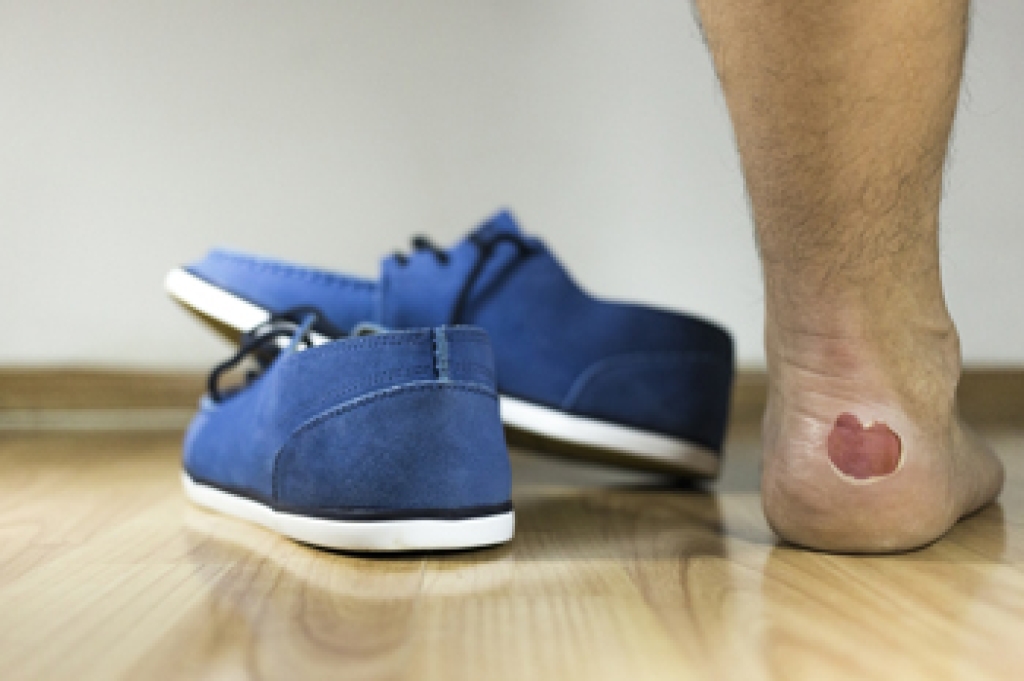
Foot blisters are small, fluid-filled pockets that develop when the skin is damaged or irritated. They commonly appear in areas exposed to repeated rubbing, pressure, or moisture. Symptoms may include tenderness, redness, and a raised area filled with clear fluid. Wearing poorly fitted shoes, increasing activity quickly, or walking for long periods of time can increase the risk. Most blisters heal with protection, but recurring or unusual blisters deserve professional evaluation.

Frostbite is another possible cause of foot blisters and develops when skin and underlying tissues freeze after prolonged exposure to extreme cold. Blisters may appear after the affected area begins warming. Frostbite can also cause numbness, pale or bluish skin, and severe pain. Risk increases with extended cold exposure, wet footwear, and inadequate protection. Frostbite requires prompt medical attention because deeper tissue damage can occur. Do not intentionally pop frostbite blisters.


An allergic reaction can also cause blistering when the skin reacts to an irritating substance or allergen. New footwear materials, adhesives, or topical products may trigger contact dermatitis. Symptoms can include itching, redness, swelling, and small blisters. Fungal infections are another potential cause, particularly when athlete’s foot affects the skin between the toes. Fungal symptoms may include itching, scaling, and fluid-filled areas. Warm, damp environments and sweaty footwear increase infection risk.


A podiatrist can examine the skin, review your footwear and activities, and determine the likely cause of recurring blisters. Treatment may include protecting the area, recommending appropriate footwear, or addressing an allergic trigger. For suspected frostbite, urgent medical evaluation is important. Avoid popping blisters unless specifically directed by a podiatrist, and keep the area clean and protected. If you frequently develop blisters on your feet, it is suggested that you consult a podiatrist for effective relief and prevention tips, an accurate diagnosis and appropriate treatment.

Blisters are prone to making everyday activities extremely uncomfortable. If your feet are hurting, contact one of our podiatrists of Nassau Foot & Ankle. Our doctors can provide the care you need to keep you pain-free and on your feet.

Foot Blisters

Foot blisters develop as a result of constantly wearing tight or ill-fitting footwear. This happens due to the constant rubbing from the shoe, which can often lead to pain.

What Are Foot Blisters?

A foot blister is a small fluid-filled pocket that forms on the upper-most layer of the skin. Blisters are filled with clear fluid and can lead to blood drainage or pus if the area becomes infected.

How Do Blisters Form?

Blisters on the feet are often the result of constant friction of skin and material, usually by shoe rubbing. Walking in sandals, boots, or shoes that don’t fit properly for long periods of time can result in a blister. Having consistent foot moisture and humidity can easily lead to blister formation.

Prevention & Treatment

It is important to properly care for the affected area in order to prevent infection and ease the pain. Do not lance the blister and use a Band-Aid to provide pain relief. Also, be sure to keep your feet dry and wear proper fitting shoes. If you see blood or pus in a blister, seek assistance from a podiatrist.

If you have any questions, please feel free to contact our offices located in Oceanside, Franklin Square, and East Norwich, NY . We offer the newest diagnostic and treatment technologies for all your foot care needs.

Read more about Blisters

Plantar Warts Can Be Treated!

Plantar warts are small growths that develop on parts of the feet that bear weight. They're typically found on the bottom of the foot. Don't live with plantar warts, and call us today!

Connect With Us