Peripheral Artery Disease and Its Impact on Foot Health

Peripheral artery disease, or PAD, is a circulatory condition that occurs when narrowed arteries reduce blood flow to the limbs, especially the legs and feet. Limited circulation restricts oxygen and nutrients needed for healthy tissue, which can lead to slow healing, skin changes, and increased risk of infection. Individuals may notice cramping, cold feet, color changes, or decreased or absent pulses in the feet. Risk factors include smoking, high blood pressure, diabetes, high cholesterol, and a sedentary lifestyle. Without proper care, complications may become serious and affect mobility. If you have symptoms of PAD in your feet, it is suggested that you consult a podiatrist who can evaluate circulation, monitor foot health, and coordinate care to prevent complications. 

Peripheral artery disease can pose a serious risk to your health. It can increase the risk of stroke and heart attack. If you have symptoms of peripheral artery disease, consult with one of our podiatrists from Nassau Foot & Ankle. Our doctors will assess your condition and provide you with quality foot and ankle treatment.

Peripheral artery disease (PAD) is when arteries are constricted due to plaque (fatty deposits) build-up. This results in less blood flow to the legs and other extremities. The main cause of PAD is atherosclerosis, in which plaque builds up in the arteries.

Symptoms

Symptoms of PAD include:

  • Claudication (leg pain from walking)
  • Numbness in legs
  • Decrease in growth of leg hair and toenails
  • Paleness of the skin
  • Erectile dysfunction
  • Sores and wounds on legs and feet that won’t heal
  • Coldness in one leg

It is important to note that a majority of individuals never show any symptoms of PAD.

Diagnosis

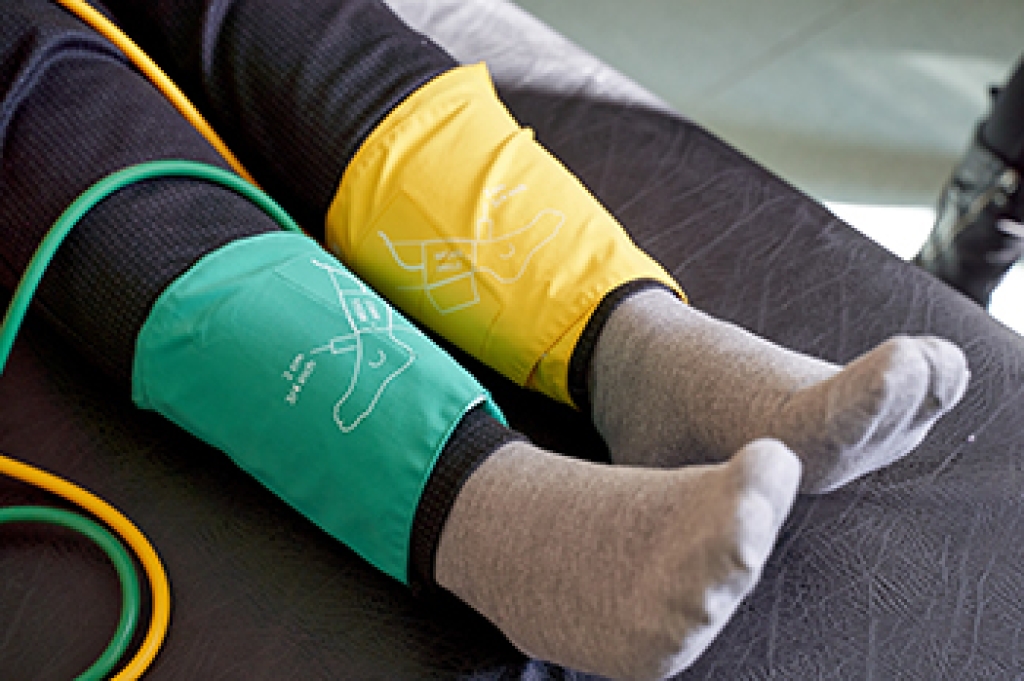
While PAD occurs in the legs and arteries, Podiatrists can diagnose PAD. Podiatrists utilize a test called an ankle-brachial index (ABI). An ABI test compares blood pressure in your arm to you ankle to see if any abnormality occurs. Ultrasound and imaging devices may also be used.

Treatment

Fortunately, lifestyle changes such as maintaining a healthy diet, exercising, managing cholesterol and blood sugar levels, and quitting smoking, can all treat PAD. Medications that prevent clots from occurring can be prescribed. Finally, in some cases, surgery may be recommended.

If you have any questions, please feel free to contact our offices located in Oceanside, Franklin Square, and East Norwich, NY . We offer the newest diagnostic and treatment technologies for all your foot care needs.

Read more about Peripheral Artery Disease

Why Certain Heel and Foot Tendon Injuries Need Different Care

Pain along the back of the heel or through the foot is often blamed on a single tendon problem, but there are important differences that affect treatment. One condition commonly involves short-term irritation of a tendon, such as the Achilles tendon, often triggered by a sudden increase in walking, running, or standing. This type of injury is linked to inflammation and may improve with rest and activity changes. Another condition develops gradually and reflects long-standing wear within the tendon fibers themselves. In this situation, the tissue becomes weaker and less flexible, especially in the Achilles tendon or tendons supporting the arch. Treating both problems the same way can slow healing and prolong discomfort. Identifying which process is present helps guide appropriate care and recovery strategies. If heel or foot tendon pain persists, it is suggested that you see a podiatrist for a full exam and appropriate treatment.

Achilles tendon injuries need immediate attention to avoid future complications. If you have any concerns, contact one of our podiatrists of Nassau Foot & Ankle. Our doctors can provide the care you need to keep you pain-free and on your feet.

What Is the Achilles Tendon?

The Achilles tendon is a tendon that connects the lower leg muscles and calf to the heel of the foot. It is the strongest tendon in the human body and is essential for making movement possible. Because this tendon is such an integral part of the body, any injuries to it can create immense difficulties and should immediately be presented to a doctor.

What Are the Symptoms of an Achilles Tendon Injury?

There are various types of injuries that can affect the Achilles tendon. The two most common injuries are Achilles tendinitis and ruptures of the tendon.

Achilles Tendinitis Symptoms

  • Inflammation
  • Dull to severe pain
  • Increased blood flow to the tendon
  • Thickening of the tendon

Rupture Symptoms

  • Extreme pain and swelling in the foot
  • Total immobility

Treatment and Prevention

Achilles tendon injuries are diagnosed by a thorough physical evaluation, which can include an MRI. Treatment involves rest, physical therapy, and in some cases, surgery. However, various preventative measures can be taken to avoid these injuries, such as:

  • Thorough stretching of the tendon before and after exercise
  • Strengthening exercises like calf raises, squats, leg curls, leg extensions, leg raises, lunges, and leg presses

If you have any questions please feel free to contact our offices located in Oceanside, Franklin Square, and East Norwich, NY . We offer the newest diagnostic tools and technology to treat your foot and ankle needs.

Read more about The Causes, Types, and Treatments of Achilles Tendon Injuries

Is It a Hammertoe?

Hammertoes develop when the muscles and tendons that normally keep the toes straight fall out of balance, causing one or more toes to bend at the middle joint. This condition often begins quietly but may progress with symptoms, such as aching pain, stiffness, and skin irritation. Common signs include redness, corns, and calluses. Hammertoes may look curled or buckled, and the affected toe can rub painfully against shoes, making walking uncomfortable and footwear difficult to tolerate. Causes include inherited foot structure, improper footwear, arthritis, or long-term pressure on the toes. A podiatrist can help by first performing a thorough examination and imaging, if needed, to confirm the diagnosis and identify contributing factors. Treatment may begin with shoe modifications, padding, or custom orthotics to relieve pressure and improve alignment, and can progress to targeted exercises, medications, or corrective procedures when necessary. If you have a hammertoe, it is suggested that you make an appointment with a podiatrist.

Hammertoes can be a painful condition to live with. For more information, contact one of our podiatrists of Nassau Foot & Ankle. Our doctors will answer any of your foot- and ankle-related questions.

Hammertoe

Hammertoe is a foot deformity that occurs due to an imbalance in the muscles, tendons, or ligaments that normally hold the toe straight. It can be caused by the type of shoes you wear, your foot structure, trauma, and certain disease processes.

Symptoms

  • Painful and/or difficult toe movement
  • Swelling
  • Joint stiffness
  • Calluses/Corns
  • Physical deformity

Risk Factors

  • Age – The risk of hammertoe increases with age
  • Sex – Women are more likely to have hammertoe compared to men
  • Toe Length – You are more likely to develop hammertoe if your second toe is longer than your big toe
  • Certain Diseases – Arthritis and diabetes may make you more likely to develop hammertoe

Treatment

If you have hammertoe, you should change into a more comfortable shoe that provides enough room for your toes. Exercises such as picking up marbles may strengthen and stretch your toe muscles. Nevertheless, it is important to seek assistance from a podiatrist in order to determine the severity of your hammertoe and see which treatment option will work best for you.

If you have any questions, please feel free to contact our offices located in Oceanside, Franklin Square, and East Norwich, NY . We offer the newest diagnostic and treatment technologies for all your foot care needs.

Read more about What Are Hammertoes?

Heel Pain in the Morning?

Heel pain can negatively affect your day-to-day life. Simple activities like walking can become incredibly uncomfortable or painful due to heel pain.

Don’t live with heel pain and get treated.

Signs of a High-Ankle Sprain

High-ankle sprains affect the joint above the ankle where the lower leg bones meet and often occur during twisting injuries or sudden changes in direction. Unlike typical ankle sprains, pain is usually felt in the front of the ankle and may extend upward along the lower leg. Swelling may be mild at first, but discomfort often increases with walking, especially during push-off or rotation. People may notice stiffness, weakness, or a sense of ankle instability with movement, while bruising often appears later. Because high ankle sprains involve key stabilizing structures, recovery may take longer if the injury is not correctly identified. A podiatrist can perform an exam and request imaging to determine severity of the high-ankle sprain. Then a plan to protect the joint and restore movement can be formulated. If you have pain in the front of the ankle, it is suggested that you make an appointment with a podiatrist for an exam, diagnosis, and treatment.

Ankle sprains are common but need immediate attention. If you need your feet checked, contact one of our podiatrists from Nassau Foot & Ankle. Our doctors can provide the care you need to keep you pain-free and on your feet.

How Does an Ankle Sprain Occur?

Ankle sprains take place when the ligaments in your ankle are torn or stretched beyond their limits. There are multiple ways that the ankle can become injured, including twisting or rolling over onto your ankle, putting undue stress on it, or causing trauma to the ankle itself.

What Are the Symptoms?

  • Mild to moderate bruising
  • Limited mobility
  • Swelling
  • Discoloration of the skin (depending on severity)

Preventing a Sprain

  • Wearing appropriate shoes for the occasion
  • Stretching before exercises and sports
  • Knowing your limits

Treatment of a Sprain

Treatment of a sprain depends on the severity.  Many times, people are told to rest and remain off their feet completely, while others are given an air cast. If the sprain is very severe, surgery may be required.

If you have suffered an ankle sprain previously, you may want to consider additional support such as a brace and regular exercises to strengthen the ankle.

If you have any questions please feel free to contact our offices located in Oceanside, Franklin Square, and East Norwich, NY . We offer the newest diagnostic tools and technology to treat your foot and ankle needs.

Read more about Ankle Sprains

Connect With Us