
Explaining Sinus Tarsi Syndrome

Sinus tarsi syndrome causes ongoing pain and a feeling of instability on the outer side of the foot, just below the ankle. The sinus tarsi is a small, funnel-shaped space in the ankle that contains nerves, ligaments, blood vessels. The sinus tarsi syndrome typically kicks in after repeated ankle sprains or injuries that weaken the supporting structures of the foot. People with sinus tarsi syndrome may feel pain when turning their foot inward or outward. Other symptoms include tenderness when pressing on the area, swelling, and difficulty walking on uneven surfaces like grass or gravel. A foot that rolls too far inward while walking, known as overpronation, can add extra pressure to this part of the foot and increase the pain. A podiatrist can diagnose sinus tarsi syndrome by examining the foot, performing imaging tests, and ruling out other causes of pain. Treatment may include braces or custom orthotics to reduce movement and support the foot properly. If you have symptoms of sinus tarsi syndrome, it is suggested that you schedule an appointment with a podiatrist for an exam and treatment options.

Many people suffer from bouts of heel pain. For more information, contact one of our podiatrists of Nassau Foot & Ankle. Our doctors can provide the care you need to keep you pain-free and on your feet.

Causes of Heel Pain

Heel pain is often associated with plantar fasciitis. The plantar fascia is a band of tissues that extends along the bottom of the foot. A rip or tear in this ligament can cause inflammation of the tissue.

Achilles tendonitis is another cause of heel pain. Inflammation of the Achilles tendon will cause pain from fractures and muscle tearing. Lack of flexibility is also another symptom.

Heel spurs are another cause of pain. When the tissues of the plantar fascia undergo a great deal of stress, it can lead to ligament separation from the heel bone, causing heel spurs.

Why Might Heel Pain Occur?

  • Wearing ill-fitting shoes                
  • Wearing non-supportive shoes
  • Weight change           
  • Excessive running

Treatments

Heel pain should be treated as soon as possible for immediate results. Keeping your feet in a stress-free environment will help. If you suffer from Achilles tendonitis or plantar fasciitis, applying ice will reduce the swelling. Stretching before an exercise like running will help the muscles. Using all these tips will help make heel pain a condition of the past.

If you have any questions, please feel free to contact our offices located in Oceanside, Franklin Square, and East Norwich, NY . We offer the newest diagnostic and treatment technologies for all your foot care needs.


Read more about Heel Pain

Solving Toe Pain

Toe pain can result from various causes, including bunions, arthritis, ingrown toenails, corns, or nerve issues like Morton’s neuroma. Overuse during activities or wearing tight, ill-fitting shoes can also lead to discomfort. Toe pain might feel sharp, throbbing, or even numb, depending on the underlying issue. Relief options depend on the cause. Wearing wider, supportive shoes can ease pressure on the toes. Soaking your feet and using pads for corns, can reduce pain and swelling. A podiatrist can diagnose the problem and recommend effective treatments, such as orthotics, targeted exercises, or minor procedures if needed. If you are experiencing persistent or severe toe pain, it is suggested that you see a podiatrist for a diagnosis and appropriate treatment solutions.

Toe pain can disrupt your daily activities. If you have any concerns, contact one of our podiatrists of Nassau Foot & Ankle. Our doctors can provide the care you need to keep you pain-free and on your feet.

What Causes Toe Pain?

Most severe toe pain is caused due to a sports injury, trauma from dropping something heavy on the toe, or bumping into something rigid. Other problems can develop over time for various reasons.

Toe pain can be caused by one or more ailments. The most common include:

  • Trauma
  • Sports injury
  • Wearing shoes that are too tight
  • Arthritis
  • Gout
  • Corns and calluses
  • Hammertoe
  • Bunions
  • Blisters
  • Ingrown toenails
  • Sprains
  • Fractures (broken bones)
  • Dislocations

When to See a Podiatrist

  • Severe pain
  • Persistent pain that lasts more than a week
  • Signs of infection
  • Continued swelling
  • Pain that prevents walking

Diagnosis

In many cases the cause of toe pain is obvious, but in others, a podiatrist may want to use more advanced methods to determine the problem. These can range from simple visual inspections and sensation tests to X-rays and MRI scans. Prior medical history, family medical history, and any recent physical traumatic events will all be taken into consideration for a proper diagnosis.

Treatment

Treatments for toe pain and injuries vary and may include shoe inserts, padding, taping, medicines, injections, and in some cases, surgery. If you believe that you have broken a toe, please see a podiatrist as soon as possible.

If you have any questions please contact our offices located in Oceanside, Franklin Square, and East Norwich, NY . We offer the newest diagnostic and treatment technologies for all your foot and ankle needs.

Read more about Toe Pain

Exercise and Diabetic Foot Ulcers

Exercise offers significant physical and psychological benefits for individuals with diabetic foot ulcers, or DFUs, but it comes with unique challenges. Obesity and a sedentary lifestyle among those with diabetes can make initiating physical activity difficult. Excess weight places additional pressure on the feet, increasing the risk of ulcer progression or delayed healing. Yet, carefully tailored exercise programs can improve circulation, enhance glucose control, and reduce obesity-related strain, fostering a healthier body and aiding wound recovery. Psychologically, exercise promotes mental well-being by reducing stress, anxiety, and depression, which are prevalent in those managing chronic conditions like DFUs. To mitigate risks, exercises must focus on low-impact activities such as swimming, cycling, or seated routines, guided by a podiatrist. If you have diabetes and are experiencing foot ulcers, it is strongly suggested that you visit a podiatrist for a comprehensive treatment plan, including an examination, any wound care that is necessary, and suggestions of safe and effective physical activity

Exercising your feet regularly with the proper foot wear is a great way to prevent injuries and build strength. If you have any concerns about your feet, contact one of our podiatrists from Nassau Foot & Ankle. Our doctors can provide the care you need to keep you pain-free and on your feet.

Exercise for Your Feet

Exercise for your feet can help you gain strength, mobility and flexibility in your feet. They say that strengthening your feet can be just as rewarding as strengthening another part of the body. Your feet are very important, and we often forget about them in our daily tasks. But it is because of our feet that are we able to get going and do what we need to. For those of us fortunate enough to not have any foot problems, it is an important gesture to take care of them to ensure good health in the long run.

Some foot health exercises can include ankle pumps, tip-toeing, toe rises, lifting off the floor doing reps and sets, and flexing the toes. It is best to speak with Our doctors to determine an appropriate regimen for your needs. Everyone’s needs and bodies are different, and the activities required to maintain strength in the feet vary from individual to individual. 

Once you get into a routine of doing regular exercise, you may notice a difference in your feet and how strong they may become.

If you have any questions, please feel free to contact our offices located in Oceanside, Franklin Square, and East Norwich, NY . We offer the newest diagnostic and treatment technologies for all your foot care needs.
Read more about Exercise for Your Feet

Painful Ingrown Toenails

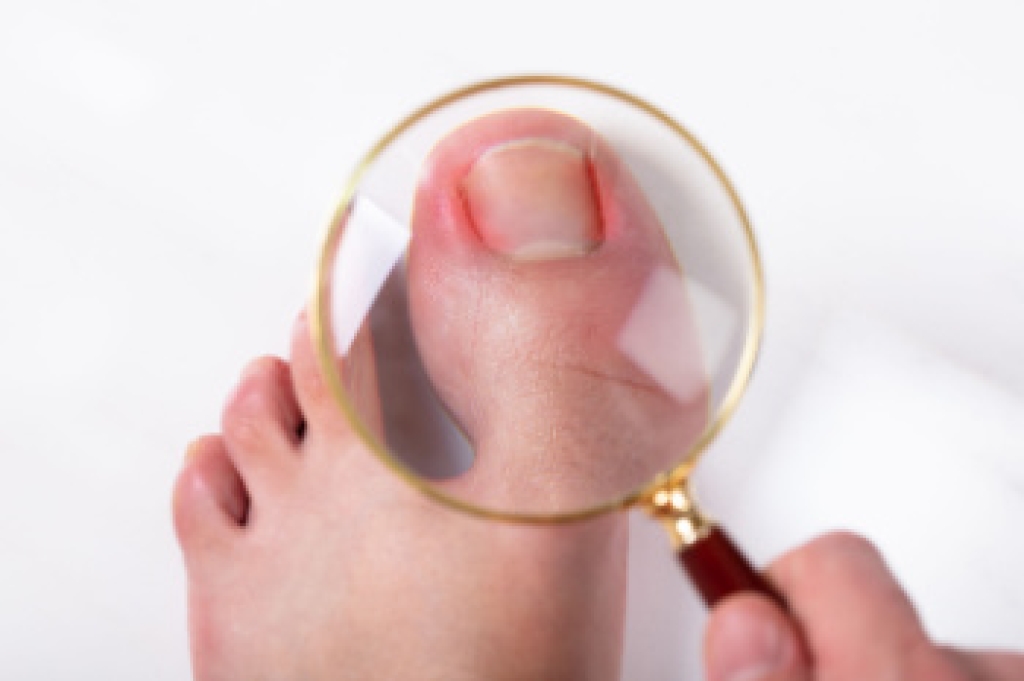
An ingrown toenail occurs when the edge of the nail grows into the surrounding skin, causing pain, redness, and swelling. In more severe cases, the area may become infected, with pus or drainage present. The condition often affects the big toe and can make walking or wearing shoes difficult. The most common causes of ingrown toenails are improper nail trimming, wearing tight shoes, or trauma to the toe. Other factors, such as poor foot hygiene, abnormal nail growth, or hereditary factors, can also contribute to the condition. Treatment options for ingrown toenails vary depending on severity. In mild cases, soaking the foot and properly trimming the nail may provide relief. In more severe or recurring cases, a podiatrist may need to perform a procedure to remove part of the nail or realign it to prevent future issues. If you are struggling with an ingrown toenail, it is suggested that you schedule an appointment with a podiatrist to receive expert care and effective treatment.

Ingrown toenails can become painful if they are not treated properly. For more information about ingrown toenails, contact one of our podiatrists of Nassau Foot & Ankle. Our doctors can provide the care you need to keep you pain-free and on your feet.

Ingrown Toenails

Ingrown toenails occur when a toenail grows sideways into the bed of the nail, causing pain, swelling, and possibly infection.

Causes

  • Bacterial infections
  • Improper nail cutting such as cutting it too short or not straight across
  • Trauma to the toe, such as stubbing, which causes the nail to grow back irregularly
  • Ill-fitting shoes that bunch the toes too close together
  • Genetic predisposition

Prevention

Wearing proper fitting shoes and using proper cutting techniques will also help decrease your risk of developing ingrown toenails.

Treatment

Ingrown toenails are a very treatable foot condition. In minor cases, soaking the affected area in salt or antibacterial soaps will not only help with the ingrown nail itself, but also help prevent any infections from occurring. In more severe cases, surgery is an option. In either case, speaking to your podiatrist about this condition will help you get a better understanding of specific treatment options that are right for you.

If you have any questions, please feel free to contact our offices located in Oceanside, Franklin Square, and East Norwich, NY . We offer the newest diagnostic and treatment technologies for all your foot care needs.

Read more about Ingrown Toenails

Get Professional Care for a Broken Foot or Ankle

Constant care and regular evaluation are important for a foot or ankle fracture. If left untreated, foot or ankle fractures can worsen over time and create more serious problems.

Don't wait to be examined if you believe you've experienced a foot or ankle fracture.

Connect With Us