Foot Pain While Walking and What It May Indicate

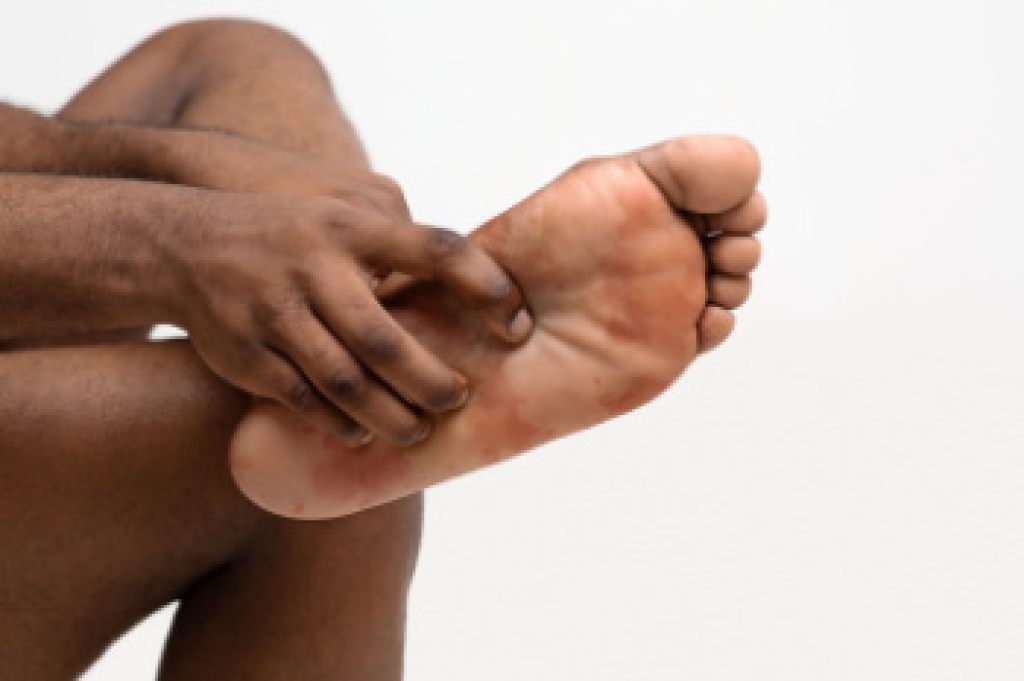
Foot pain while walking is a common concern that can affect mobility, balance, and daily comfort. This type of pain may develop gradually or appear suddenly, depending on the underlying cause. The foot is a complex structure made up of bones, ligaments, tendons, and nerves, all of which must work together to support movement. When one part becomes irritated or injured, it can lead to discomfort with each step. Understanding the causes of walking related foot pain can help identify when evaluation and treatment may be necessary.

Several conditions are known to contribute to foot pain during walking. Plantar fasciitis is one of the most common causes. It involves inflammation of the thick band of tissue along the bottom of the foot. It often leads to sharp heel pain, especially with the first steps in the morning. Morton neuroma affects the nerves between the toes, causing burning pain, tingling, or the sensation of stepping on a small object. Turf toe is a sprain of the joint at the base of the big toe. It is typically caused by repetitive push off movements or sudden force and results in pain and limited motion.


Risk factors for these conditions vary but often include overuse, wearing improper footwear, high-impact activities, and biomechanical imbalances. Individuals who spend long periods of time standing or walking on hard surfaces may be more prone to plantar fasciitis. Tight shoes or high heels can increase pressure on the forefoot, raising the risk of Morton neuroma. Turf toe is commonly seen in athletes who engage in sports that involve running or quick directional changes. Recognizing these risk factors can help guide prevention and early management strategies.


It is important to understand that foot pain while walking should not be ignored, as it may signal an underlying condition that requires attention. Early intervention can increase comfort and prevent further complications. If you have foot pain while walking, it is suggested you consult a podiatrist for an accurate diagnosis and appropriate treatment.

Foot Pain

Foot pain can be extremely painful and debilitating. If you have a foot pain, consult with one of our podiatrists from Nassau Foot & Ankle. Our doctors will assess your condition and provide you with quality foot and ankle treatment.

Causes

Foot pain is a very broad condition that could be caused by one or more ailments. The most common include:

  • Bunions
  • Hammertoes
  • Plantar Fasciitis
  • Bone Spurs
  • Corns
  • Tarsal Tunnel Syndrome
  • Ingrown Toenails
  • Arthritis (such as Gout, Rheumatoid, and Osteoarthritis)
  • Flat Feet
  • Injury (from stress fractures, broken toe, foot, ankle, Achilles tendon ruptures, and sprains)
  • And more

Diagnosis

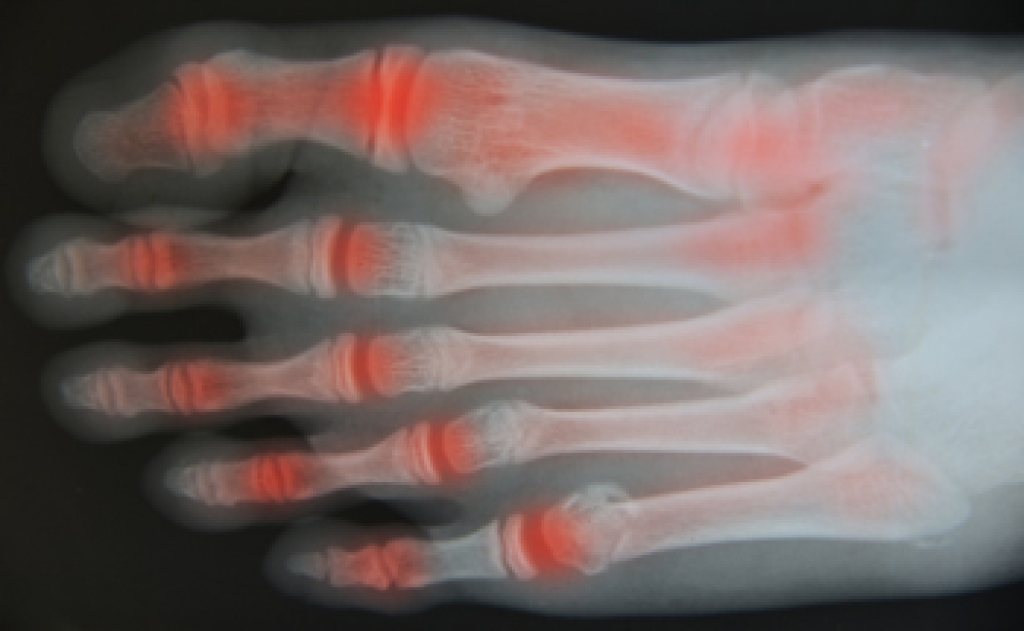
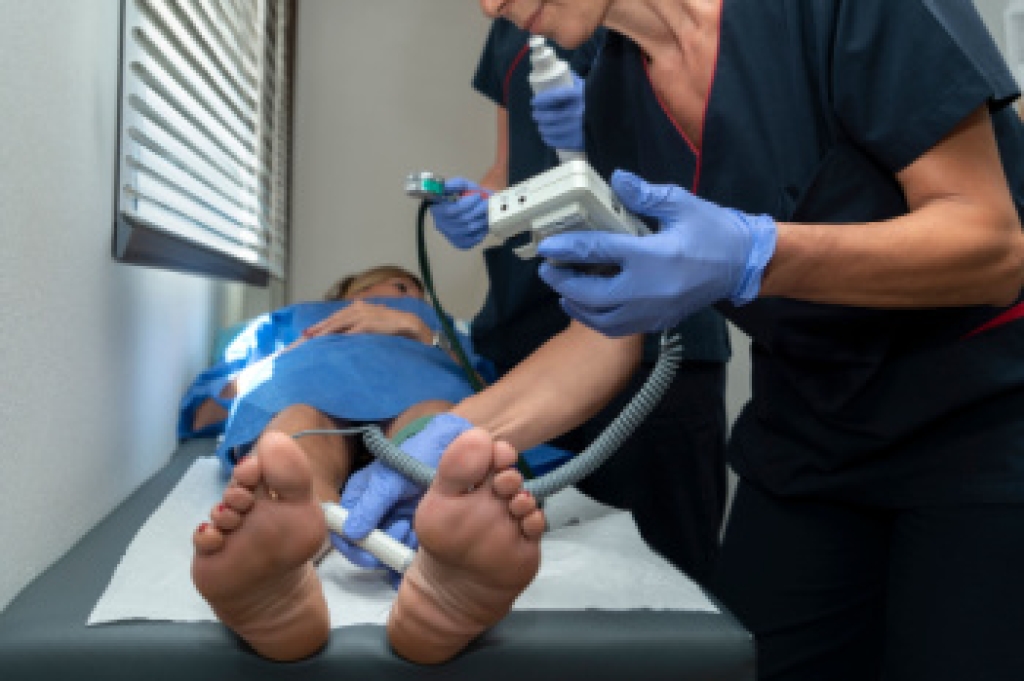
To figure out the cause of foot pain, podiatrists utilize several different methods. This can range from simple visual inspections and sensation tests to X-rays and MRI scans. Prior medical history, family medical history, and any recent physical traumatic events will all be taken into consideration for a proper diagnosis.

Treatment

Treatment depends upon the cause of the foot pain. Whether it is resting, staying off the foot, or having surgery; podiatrists have a number of treatment options available for foot pain.

If you have any questions, please feel free to contact our offices located in Oceanside, Franklin Square, and East Norwich, NY . We offer the newest diagnostic and treatment technologies for all your foot care needs.

Read more about Foot Pain

Common Types of Foot Arthritis and Their Impact on Mobility

Foot arthritis includes several conditions that affect the joints, causing pain, stiffness, and limited movement. Among these, psoriatic arthritis is a significant inflammatory type that can lead to debilitating foot pain. It differs from other forms of arthritis because it involves both joint inflammation and changes in the surrounding soft tissue. This condition can affect multiple joints in the foot, making walking and standing difficult over time.

Symptoms often include persistent joint pain, swelling, and a feeling of warmth in the affected areas. Dactylitis is a key sign, where toes appear swollen and enlarged, resembling a sausage-like shape. Patients may also notice stiffness after periods of inactivity, as well as tenderness along tendons and ligaments. These symptoms can gradually worsen, leading to decreased mobility and challenges with everyday activities.


The causes of psoriatic arthritis are linked to immune system dysfunction, where the body mistakenly attacks healthy joint tissue. Risk factors include having psoriasis, a family history of autoimmune conditions, and certain environmental influences. Stress, infections, and physical trauma may also contribute to the onset or worsening of symptoms. Understanding these risk factors can help with early identification and management.


Treatment focuses on reducing inflammation, preserving joint function, and improving quality of life. Wearing supportive shoes, custom orthotics, and targeted therapies can help relieve pressure on affected joints. Early intervention is essential to prevent long term damage. Consistent care with a podiatrist allows for monitoring and adjustment of treatment plans. If you have foot arthritis, it is suggested that you consult a podiatrist for effective relief and management solutions.

Arthritis can be a difficult condition to live with. If you are seeking treatment, contact one of our podiatrists from Nassau Foot & Ankle. Our doctors can provide the care you need to keep you pain-free and on your feet.

Arthritic Foot Care  

Arthritis is a term that is commonly used to describe joint pain.  The condition itself can occur to anyone of any age, race, or gender, and there are over 100 types of it.  Nevertheless, arthritis is more commonly found in women compared to men, and it is also more prevalent in those who are overweight. The causes of arthritis vary depending on which type of arthritis you have. Osteoarthritis for example, is often caused by injury, while rheumatoid arthritis is caused by a misdirected immune system.

Symptoms

  • Swelling
  • Pain
  • Stiffness
  • Decreased Range of Motion

Arthritic symptoms range in severity, and they may come and go. Some symptoms stay the same for several years but could potentially get worse with time. Severe cases of arthritis can prevent its sufferers from performing daily activities and make walking difficult.

Risk Factors

  • Occupation – Occupations requiring repetitive knee movements have been linked to osteoarthritis
  • Obesity – Excess weight can contribute to osteoarthritis development
  • Infection – Microbial agents can infect the joints and trigger arthritis
  • Joint Injuries – Damage to joints may lead to osteoarthritis
  • Age – Risk increases with age
  • Gender –Most types are more common in women
  • Genetics – Arthritis can be hereditary

If you suspect your arthritis is affecting your feet, it is crucial that you see a podiatrist immediately. Your doctor will be able to address your specific case and help you decide which treatment method is best for you.

If you have any questions please feel free to contact our offices located in Oceanside, Franklin Square, and East Norwich, NY . We offer the newest diagnostic tools and technology to treat your foot and ankle needs.

Read more about How to Care for Your Arthritic Foot

Foot Pain Resulting From Plantar Fasciitis

Plantar fasciitis is one of the most common causes of foot pain. It affects a strong band of tissue that runs along the bottom of the foot from the heel to the toes. This tissue, called the plantar fascia, helps support the arch and absorbs stress when walking. When it becomes irritated, pain can develop near the heel or along the bottom of the foot. Heel pain is frequently felt where the plantar fascia attaches to the heel bone. The discomfort is often strongest with the first steps in the morning. It can also occur after sitting for a long period. Pain may ease after moving around, but often returns later in the day. 

Several factors can increase stress on the plantar fascia. These include standing for long periods, wearing shoes that lack adequate support, and suddenly increasing physical activity. People with very high arches or very flat feet can also develop this condition. Symptoms include a burning sensation and a sharp, stabbing pain when walking. The discomfort can make daily activities more difficult to carry out and may affect balance and movement. Left untreated, plantar fasciitis can cause people to change the way they walk. This can place extra strain on other parts of the foot and ankle and cause further difficulties.

A podiatrist can diagnose plantar fasciitis through a physical examination and a review of symptoms. Diagnostic imaging and X-rays may be used to rule out other causes of heel pain. Treatment options include stretching exercises, custom orthotics, and night splints that gently stretch the foot while sleeping. Additional treatment may focus on reducing stress placed on the plantar fascia and improving foot function. If you have symptoms of plantar fasciitis in your feet, it is suggested that you make an appointment with a podiatrist for an exam and diagnosis.

Plantar fasciitis is a common foot condition that is often caused by a strain injury. If you are experiencing heel pain or symptoms of plantar fasciitis, contact one of our podiatrists from Nassau Foot & Ankle. Our doctors can provide the care you need to keep you pain-free and on your feet.

What Is Plantar Fasciitis?

Plantar fasciitis is one of the most common causes of heel pain. The plantar fascia is a ligament that connects your heel to the front of your foot. When this ligament becomes inflamed, plantar fasciitis is the result. If you have plantar fasciitis you will have a stabbing pain that usually occurs with your first steps in the morning. As the day progresses and you walk around more, this pain will start to disappear, but it will return after long periods of standing or sitting.

What Causes Plantar Fasciitis?

  • Excessive running
  • Having high arches in your feet
  • Other foot issues such as flat feet
  • Pregnancy (due to the sudden weight gain)
  • Being on your feet very often

There are some risk factors that may make you more likely to develop plantar fasciitis compared to others. The condition most commonly affects adults between the ages of 40 and 60. It also tends to affect people who are obese because the extra pounds result in extra stress being placed on the plantar fascia.

Prevention

  • Take good care of your feet – Wear shoes that have good arch support and heel cushioning.
  • Maintain a healthy weight
  • If you are a runner, alternate running with other sports that won’t cause heel pain

There are a variety of treatment options available for plantar fasciitis along with the pain that accompanies it. Additionally, physical therapy is a very important component in the treatment process. It is important that you meet with your podiatrist to determine which treatment option is best for you.

If you have any questions, please feel free to contact our offices located in Oceanside, Franklin Square, and East Norwich, NY . We offer the newest diagnostic and treatment technologies for all your foot care needs.


Read more about Plantar Fasciitis

Get Professional Care for a Broken Foot or Ankle

Constant care and regular evaluation are important for a foot or ankle fracture. If left untreated, foot or ankle fractures can worsen over time and create more serious problems.

Don't wait to be examined if you believe you've experienced a foot or ankle fracture.

Connect With Us