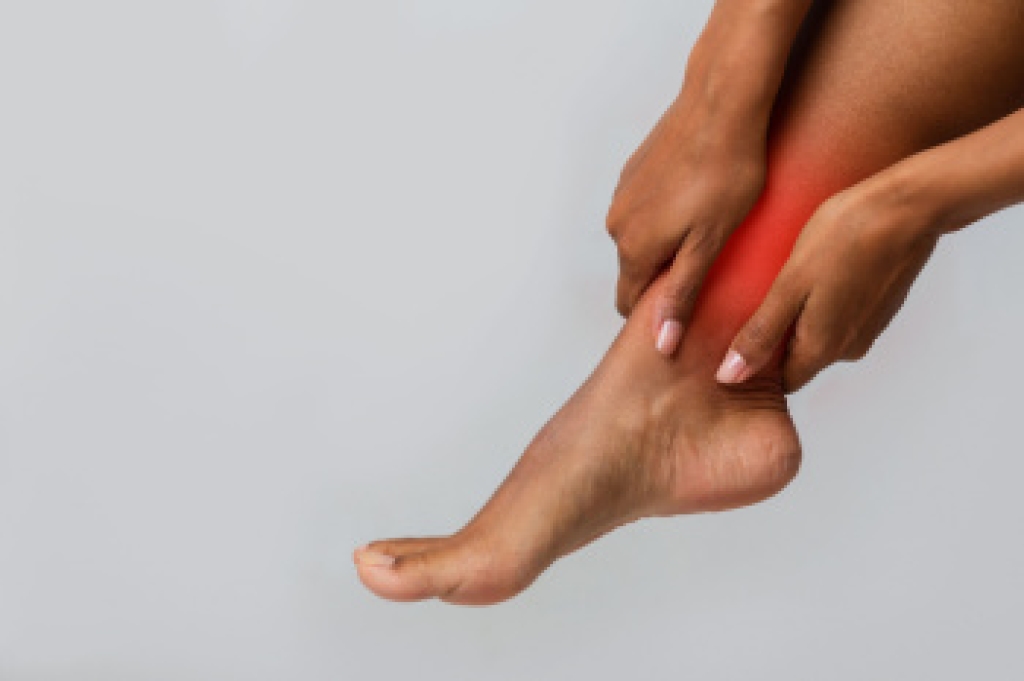
Peripheral Vascular Disease and Foot Health

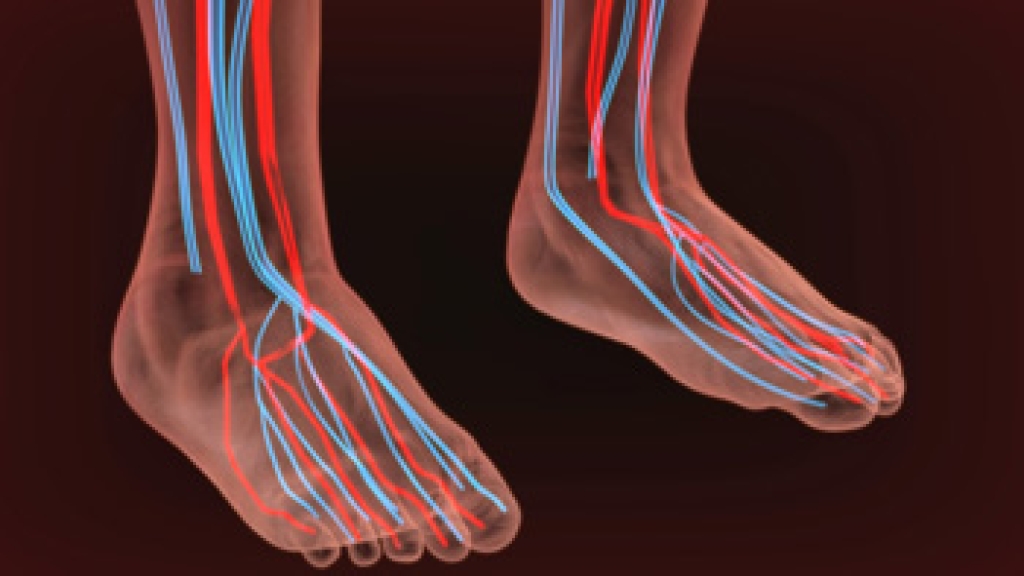
Peripheral vascular disease affects blood flow to the limbs, especially the legs and feet, due to narrowed or blocked blood vessels. It is often caused by a buildup of fatty deposits in the arteries that restrict circulation. Symptoms include leg pain, cramping, slow-healing foot wounds, and changes in skin color or texture. Also, it may cause the feet to become cold and numb. Risk factors include smoking, diabetes, high blood pressure, high cholesterol, and lack of physical activity. Poor circulation can increase the risk of infection and tissue damage. A podiatrist can help by monitoring foot health, managing wounds, and providing guidance to improve circulation and prevent complications. If you notice changes in your feet, and have symptoms of this condition, it is suggested that you  seek podiatric care for guidance.

While poor circulation itself isn’t a condition; it is a symptom of another underlying health condition you may have. If you have any concerns with poor circulation in your feet contact one of our podiatrists of Nassau Foot & Ankle. Our doctors will treat your foot and ankle needs.

Poor Circulation in the Feet

Peripheral artery disease (PAD) can potentially lead to poor circulation in the lower extremities. PAD is a condition that causes the blood vessels and arteries to narrow. In a linked condition called atherosclerosis, the arteries stiffen up due to a buildup of plaque in the arteries and blood vessels. These two conditions can cause a decrease in the amount of blood that flows to your extremities, therefore resulting in pain.

Symptoms

Some of the most common symptoms of poor circulation are:

  • Numbness
  • Tingling
  • Throbbing or stinging pain in limbs
  • Pain
  • Muscle Cramps

Treatment for poor circulation often depends on the underlying condition that causes it. Methods for treatment may include insulin for diabetes, special exercise programs, surgery for varicose veins, or compression socks for swollen legs.

As always, see a podiatrist as he or she will assist in finding a regimen that suits you. A podiatrist can also prescribe you any needed medication. 

If you have any questions, please feel free to contact our offices located in Oceanside, Franklin Square, and East Norwich, NY . We offer the newest diagnostic and treatment technologies for all your foot care needs.

Read more about Causes Symptoms and Treatment for Poor Circulation in the Feet

Understanding Elevated Uric Acid Levels in Younger Patients

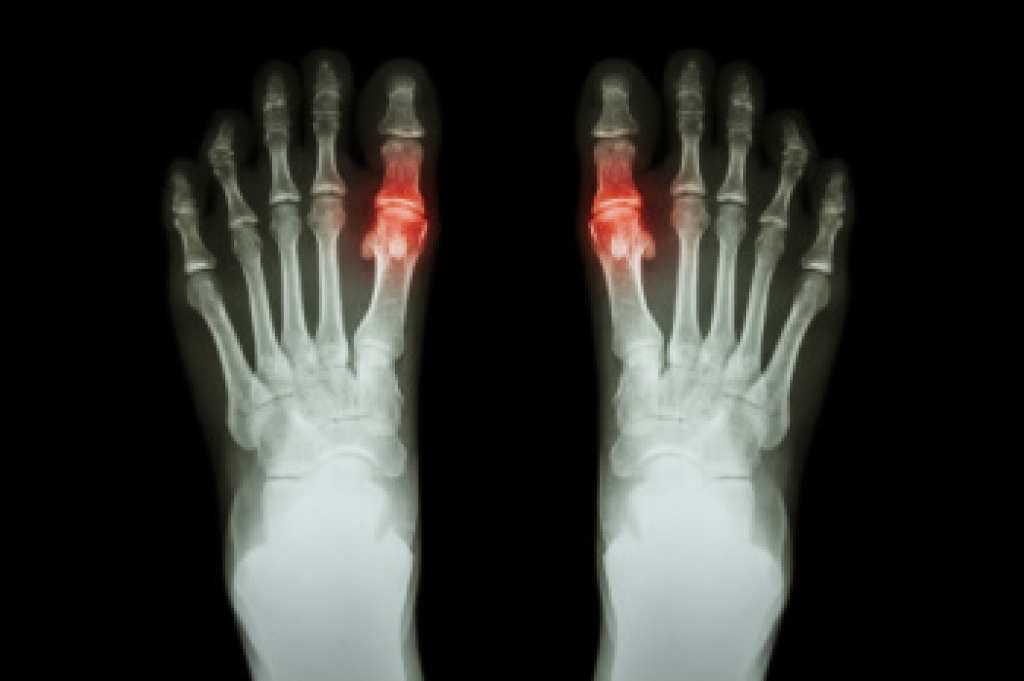
Hyperuricemia refers to higher than normal levels of uric acid in the blood, a substance produced when the body breaks down certain foods and cells. It can be linked to gout, which is an arthritic condition, causing severe pain in the big toe. While it is more commonly discussed in adults, it can also occur in children and adolescents. In some cases, it does not cause noticeable symptoms, but it may be linked to joint discomfort, swelling, or the development of crystal buildup in joints, over time. Factors such as diet, weight, genetics, and underlying health conditions can all play a role. Early recognition allows for guidance on nutrition, hydration, and activity to help manage levels and reduce stress on the body. When symptoms are present, targeted care may be needed to address discomfort and prevent progression. If your child or teen is experiencing foot pain or swelling in the big toe or surrounding areas, it is suggested that you schedule an appointment with a podiatrist for a proper diagnosis and appropriate treatment.

Gout is a painful condition that can be treated. If you are seeking treatment, contact one of our podiatrists from Nassau Foot & Ankle. Our doctors will treat your foot and ankle needs.

What Is Gout?

Gout is a form of arthritis that is characterized by sudden, severe attacks of pain, redness, and tenderness in the joints. The condition usually affects the joint at the base of the big toe. A gout attack can occur at any random time, such as the middle of the night while you are asleep.

Symptoms

  • Intense Joint Pain - Usually around the large joint of your big toe, and it most severe within the first four to twelve hours
  • Lingering Discomfort - Joint discomfort may last from a few days to a few weeks
  • Inflammation and Redness -Affected joints may become swollen, tender, warm and red
  • Limited Range of Motion - May experience a decrease in joint mobility

Risk Factors

  • Genetics - If family members have gout, you’re more likely to have it
  • Medications - Diuretic medications can raise uric acid levels
  • Gender/Age - Gout is more common in men until the age of 60. It is believed that estrogen protects women until that point
  • Diet - Eating red meat and shellfish increases your risk
  • Alcohol - Having more than two alcoholic drinks per day increases your risk
  • Obesity - Obese people are at a higher risk for gout

Prior to visiting your podiatrist to receive treatment for gout, there are a few things you should do beforehand. If you have gout you should write down your symptoms--including when they started and how often you experience them, important medical information you may have, and any questions you may have. Writing down these three things will help your podiatrist in assessing your specific situation so that he or she may provide the best route of treatment for you.

If you have any questions, please feel free to contact our offices located in Oceanside, Franklin Square, and East Norwich, NY . We offer the newest diagnostic and treatment technologies for all your foot care needs.

Read more about Gout

Dealing With Heel Spurs

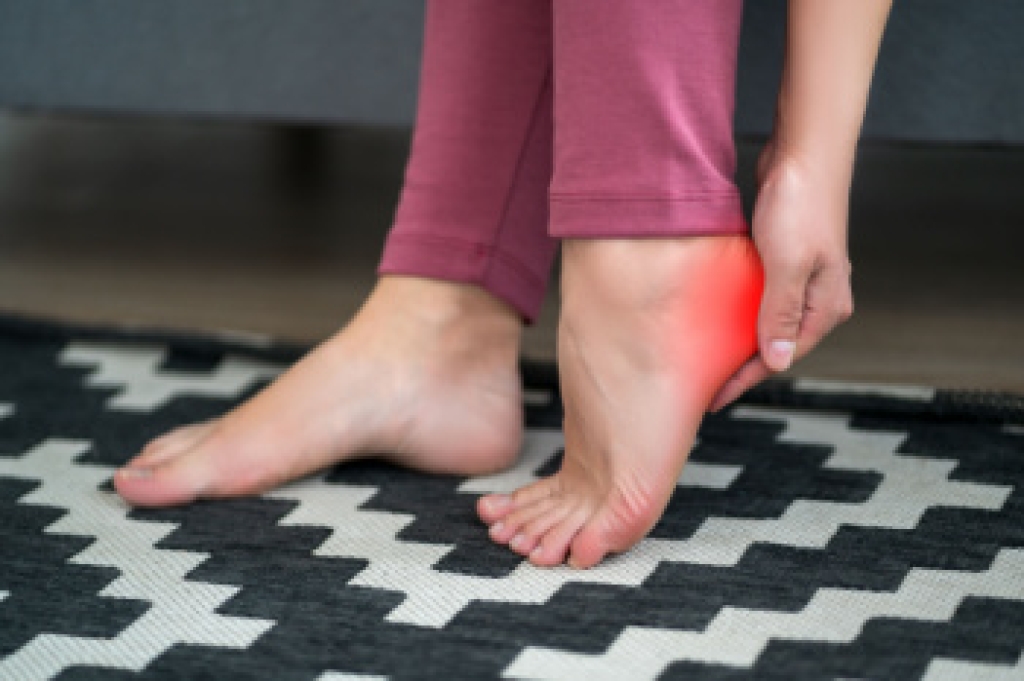
Heel bone spurs are growths that form on the underside or back of the heel, often developing gradually due to repeated strain on the foot. They are commonly associated with plantar fasciitis, where ongoing tension on the plantar fascia leads to calcium deposits building up over time. Many people do not notice the spur itself, but instead feel sharp or aching pain in the heel, especially with the first steps in the morning or after rest. Contributing causes include long periods of standing, improper footwear, flat feet or high arches, and tight calf muscles that increase stress on the heel. The area may feel tender and sore, though the spur is not always visible externally. A podiatrist can diagnose heel spurs through examination and X-rays. Treatment focuses on reducing strain with supportive shoes, custom orthotics, and targeted exercises. If you have heel pain related to bone spurs, it is suggested that you make an appointment with a podiatrist.

Heel spurs can be incredibly painful and sometimes may make you unable to participate in physical activities. To get medical care for your heel spurs, contact one of our podiatrists from Nassau Foot & Ankle. Our doctors will do everything possible to treat your condition.

Heels Spurs

Heel spurs are formed by calcium deposits on the back of the foot where the heel is. This can also be caused by small fragments of bone breaking off one section of the foot, attaching onto the back of the foot. Heel spurs can also be bone growth on the back of the foot and may grow in the direction of the arch of the foot.

Older individuals usually suffer from heel spurs and pain sometimes intensifies with age. One of the main condition's spurs are related to is plantar fasciitis.

Pain

The pain associated with spurs is often because of weight placed on the feet. When someone is walking, their entire weight is concentrated on the feet. Bone spurs then have the tendency to affect other bones and tissues around the foot. As the pain continues, the feet will become tender and sensitive over time.

Treatments

There are many ways to treat heel spurs. If one is suffering from heel spurs in conjunction with pain, there are several methods for healing. Medication, surgery, and herbal care are some options.

If you have any questions, please feel free to contact our offices located in Oceanside, Franklin Square, and East Norwich, NY . We offer the newest diagnostic and treatment technologies for all your foot care needs.

Read more about How to Treat Heel Spurs

Reminder: When Was the Last Time...?

Custom orthotics, or shoe inserts, should be periodically replaced. Orthotics must fit properly to give you the best results. Protect your feet and ankles!

Connect With Us