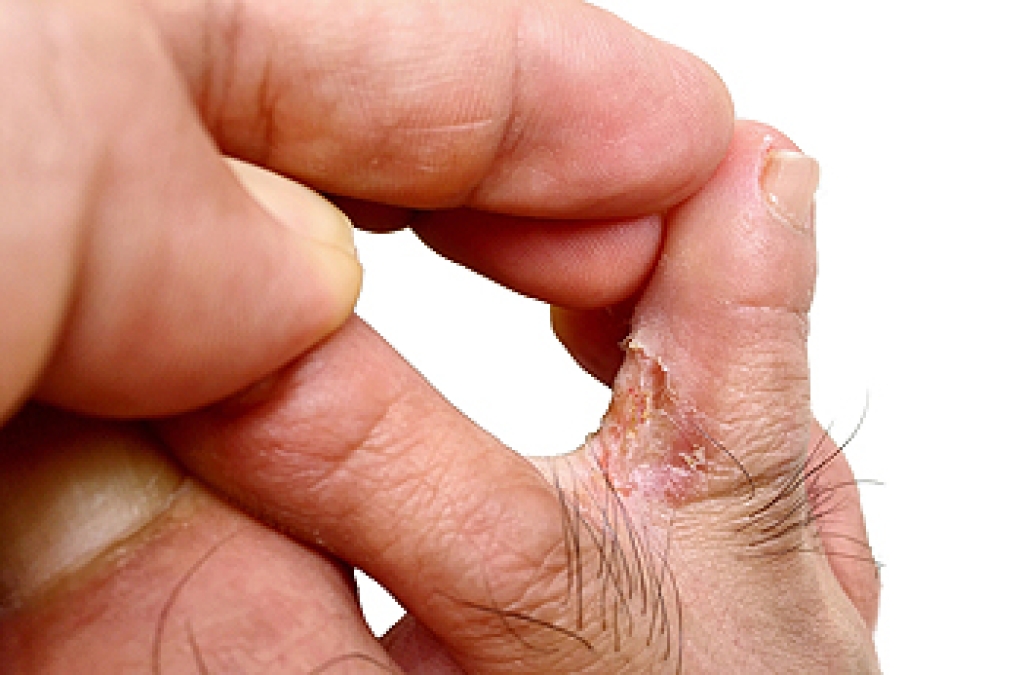
Athlete’s foot, also called tinea pedis, is a fungal infection that affects the skin of the feet. The fungi responsible for the infection grow well in warm, damp areas. Athlete’s foot can spread through direct contact with infected skin or contaminated surfaces. Locker rooms, swimming areas, and shared showers can provide conditions where the fungi survive. The infection frequently begins between the toes, where moisture can collect. People whose feet sweat heavily can have a greater risk, especially when shoes keep their feet warm and damp.
Symptoms of athlete’s foot can vary depending on the type of infection. Skin between the toes can become cracked, peeling, or irritated. Itching and burning can also develop. Another form can cause dry, scaly skin across the sole and sides of the foot. Some infections cause small blisters or areas of inflamed skin. Scratching affected skin can spread the fungi to other areas of the body. Athlete’s foot can also return after treatment, especially when the feet are repeatedly exposed to environments where the fungi thrive. Certain cases can spread to the toenails and cause additional problems.
A podiatrist can examine the affected skin and determine whether the symptoms are caused by athlete’s foot or another skin condition. In some cases, a small skin sample can be tested to confirm a fungal infection. A podiatrist can recommend antifungal treatment based on the location and severity of the infection. Prescription treatment can be considered when an infection is persistent or more difficult to control. Proper diagnosis is important because other skin problems can resemble athlete’s foot and require different care. If you have symptoms of athlete’s foot, it is suggested that you schedule an appointment with a podiatrist for a diagnosis and appropriate treatment.
Athlete’s foot is an inconvenient condition that can be easily reduced with the proper treatment. If you have any concerns about your feet and ankles, contact one of our podiatrists from Nassau Foot & Ankle. Our doctors will treat your foot and ankle needs.
Athlete’s Foot: The Sole Story
Athlete's foot, also known as tinea pedis, can be an extremely contagious foot infection. It is commonly contracted in public changing areas and bathrooms, dormitory style living quarters, around locker rooms and public swimming pools, or anywhere your feet often come into contact with other people.
Solutions to Combat Athlete’s Foot
- Hydrate your feet by using lotion
- Exfoliate
- Buff off nails
- Use of anti-fungal products
- Examine your feet and visit your doctor if any suspicious blisters or cuts develop
Athlete’s foot can cause many irritating symptoms such as dry and flaking skin, itching, and redness. Some more severe symptoms can include bleeding and cracked skin, intense itching and burning, and even pain when walking. In the worst cases, Athlete’s foot can cause blistering as well. Speak to your podiatrist for a better understanding of the different causes of Athlete’s foot, as well as help in determining which treatment options are best for you.
If you have any questions please feel free to contact our offices located in Oceanside, Franklin Square, and East Norwich, NY . We offer the newest diagnostic and treatment technologies for all your foot and ankle needs.
