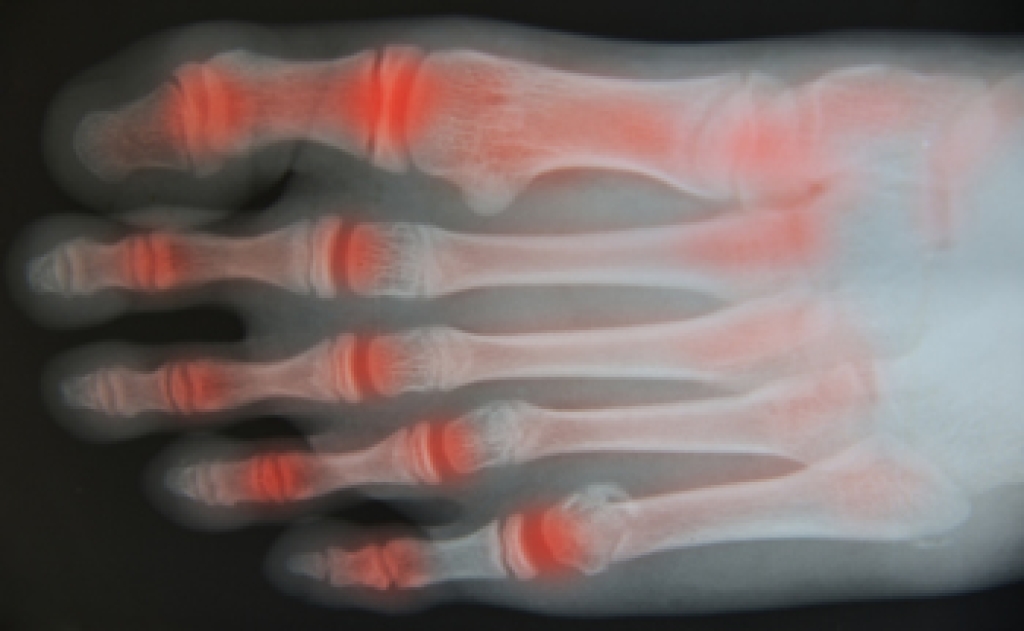
Symptoms of RA in the Feet and Ankles

Rheumatoid arthritis, or RA, is an autoimmune disease that can affect the feet and ankles. It occurs when the immune system mistakenly attacks healthy joint tissues, causing ongoing inflammation. Rheumatoid arthritis can affect several joints and gradually change foot function. Pain, swelling, and stiffness are common symptoms. Stiffness may be especially noticeable in the morning or after sitting. Tenderness can make walking and daily activities uncomfortable.

Rheumatoid arthritis can affect joints, tendons, and other structures that support the foot and ankle. Inflammation may make movement uncomfortable and gradually contribute to joint damage or changes in foot shape. Important risk factors include having a family history of rheumatoid arthritis and exposure to certain environmental triggers. Smoking is another recognized risk factor. Women are diagnosed more often than men. These factors can increase susceptibility.

When rheumatoid arthritis affects the feet, a podiatrist will review symptoms and examine the feet and ankles. The evaluation may include checking joint movement, swelling, and walking patterns. Imaging tests may be recommended to assess joint damage. Blood testing may also be part of the medical evaluation, although a podiatrist may coordinate with a rheumatologist. Treatment can include wearing supportive footwear, custom orthotics, and bracing to improve comfort. Early care can help protect comfort, mobility, and function.

Managing rheumatoid arthritis often requires ongoing care because symptoms can change over time. A podiatrist can monitor foot and ankle health and address painful joints or pressure areas. Taking symptoms seriously can help prevent foot problems from becoming more limiting over time. If you have symptoms of rheumatoid arthritis in your feet or ankles, it is suggested that you consult a podiatrist for effective relief and management solutions. 

Because RA affects more than just your joints, including the joints in your feet and ankles, it is important to seek early diagnosis from your podiatrist if you feel like the pain in your feet might be caused by RA. For more information, contact one of our podiatrists of Nassau Foot & Ankle. Our doctors will assist you with all of your podiatric concerns.

What Is Rheumatoid Arthritis?

Rheumatoid Arthritis (RA) is an autoimmune disorder in which the body’s own immune system attacks the membranes surrounding the joints. Inflammation of the lining and eventually the destruction of the joint’s cartilage and bone occur, causing severe pain and immobility.

Rheumatoid Arthritis of the Feet

Although RA usually attacks multiple bones and joints throughout the entire body, almost 90 percent of cases result in pain in the foot or ankle area.

Symptoms

  • Swelling and pain in the feet
  • Stiffness in the feet
  • Pain on the ball or sole of feet
  • Joint shift and deformation

Diagnosis

Quick diagnosis of RA in the feet is important so that the podiatrist can treat the area effectively. Your doctor will ask you about your medical history, occupation, and lifestyle to determine the origin of the condition. Rheumatoid Factor tests help to determine if someone is affected by the disease.

If you have any questions, please feel free to contact our offices located in Oceanside, Franklin Square, and East Norwich, NY . We offer the newest diagnostic and treatment technologies for all your foot care needs.

Read more about Rheumatoid Arthritis in the Feet

Why Proper Shoe Fit Matters for Children

Finding shoes for a child involves more than choosing a favorite color or a familiar size. Growing feet need room to move without sliding inside the shoe. A poor fit places pressure on the toes and creates friction against the skin. Children do not always explain that their shoes feel tight, so discomfort sometimes appears as reluctance to walk or participate in play. Shoes that previously fit well also become too small as feet grow quickly. A podiatrist evaluates foot development and identifies whether such shoe pressure contributes to pain. This assessment helps parents understand which features suit their child's feet and daily activities.

Accurate sizing starts with measuring both feet while the child stands, since one foot is sometimes larger. Shoes should accommodate the larger foot in both length and width. About half an inch of space beyond the longest toe provides room for movement and growth. The front of the shoe should allow the toes to lie straight and spread comfortably. A snug heel helps prevent slipping without squeezing the back of the foot. Buying an oversized pair to delay the next purchase creates a different problem, because excess movement reduces stability. A podiatrist checks these details and explains how shoe shape affects fit.

Materials and construction also influence comfort. Breathable uppers, like leather or mesh, allow moisture to escape and help keep feet comfortable. Lightweight shoes reduce unnecessary bulk, while a flexible forefoot allows bending near the ball of the foot. Textured soles provide traction on smooth surfaces. Adjustable laces or straps help secure the shoe around the foot. Flat soles generally suit everyday activities, and athletic shoes should match the demands of the sport. Shoes should feel comfortable from the start rather than require a painful break-in period. A child's preferred design still matters, provided the shoe fits properly and supports comfortable movement.

Persistent redness or recurring blisters suggest that shoes need closer attention. Limping also warrants an examination, especially when a child avoids putting more weight on one foot. A podiatrist examines the skin, checks toe position, and observes the child's walking pattern. The evaluation also considers whether an underlying foot problem is contributing to discomfort. Treatment includes addressing the diagnosed cause and recommending shoes that accommodate the child's foot shape. Some children benefit from prescribed shoe inserts when a specific problem requires additional support. If your child has pain related to footwear, it is suggested that you schedule an appointment with a podiatrist for a diagnosis and appropriate treatment.

The health of a child’s feet is vital to their overall well-being. If you have any questions regarding foot health, contact one of our podiatrists of Nassau Foot & Ankle. Our doctors can provide the care you need to keep you pain-free and on your feet.

Tips for Keeping Children's Feet Healthy

  • Make sure their shoes fit properly
  • Look for any signs of in-toeing or out-toeing
  • Check to see if they have Clubfoot (condition that affects your child’s foot and ankle, twisting the heel and toes inward) which is one of the most common nonmajor birth defects.
  • Lightly cover your baby’s feet (Tight covers may keep your baby from moving their feet freely, and could prevent normal development)
  • Allow your toddler to go shoeless (Shoes can be restricting for a young child’s foot)
  • Cut toenails straight across to avoid ingrown toenails
  • Keep your child’s foot clean and dry
  • Cover cuts and scrapes. Wash any scratches with soap and water and cover them with a bandage until they’ve healed.

If you have any questions, please feel free to contact our offices located in Oceanside, Franklin Square, and East Norwich, NY . We offer the newest diagnostic and treatment technologies for all your foot care needs.
Read more about What to Do to Keep Your Child’s Feet Healthy

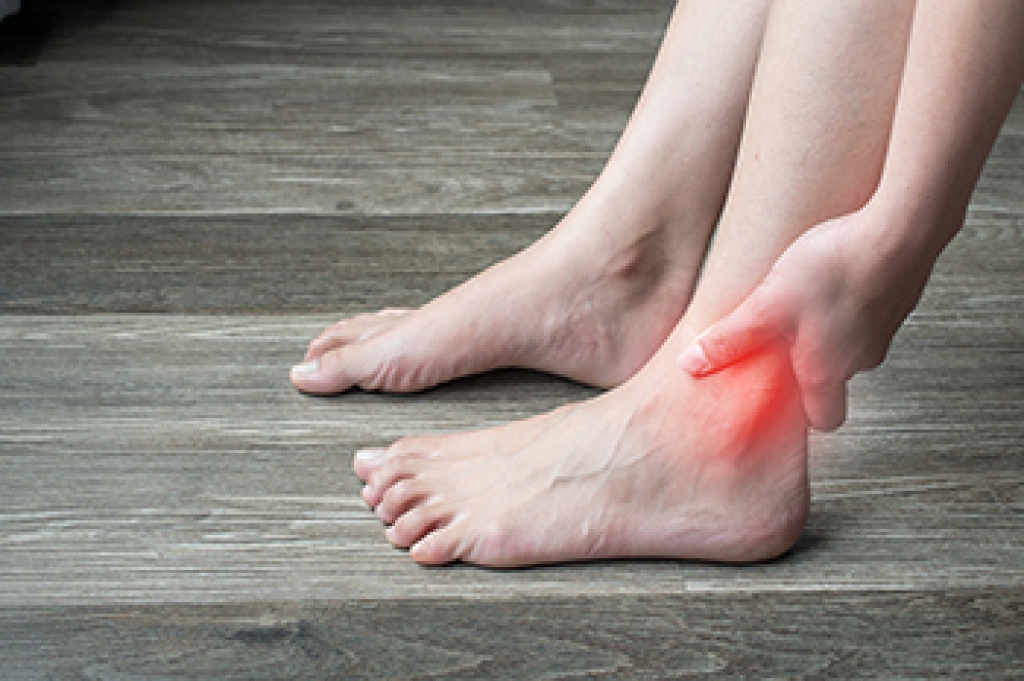
Causes Behind Persistent Ankle Pain

Ankle pain may develop when nerves surrounding the foot and ankle become irritated, compressed, or damaged. These nerves travel from the brain through the legs and into the feet, helping control movement and provide sensation. When a nerve experiences pressure or injury, it may interfere with normal foot function and cause ongoing discomfort. One possible cause of ankle pain is tarsal tunnel syndrome, which occurs when a nerve becomes compressed within a narrow passage along the inside of the ankle. This nerve, known as the posterior tibial nerve, provides feeling to areas of the foot. Pressure on this nerve may lead to persistent pain and changes in sensation.


Symptoms of nerve-related ankle pain vary depending on the location and severity of the irritation. Common signs include burning discomfort, tingling, and numbness around the ankle or foot. Some individuals experience sharp or shooting pain that extends into the toes. Others notice reduced sensation, making it difficult to feel certain types of contact or temperature changes. Nerve damage may also affect the muscles responsible for moving the foot and toes. These symptoms sometimes develop gradually and become more noticeable as nerve irritation continues. Persistent ankle discomfort may interfere with walking, standing, and other daily activities. Identifying the source of the pain is important because different nerves affect different areas of the foot.


A podiatrist evaluates ankle pain by examining the affected area and identifying possible signs of nerve compression. The examination focuses on the location of discomfort, changes in sensation, and movement difficulties. Understanding which nerve is affected helps guide appropriate treatment decisions. Podiatric care focuses on addressing the source of nerve irritation and improving foot and ankle function. Early evaluation is especially important when symptoms persist or sensation begins to change. If you are experiencing ongoing ankle pain, tingling, or numbness, it is suggested that you consult a podiatrist for an evaluation and appropriate treatment options.

Ankle pain can be caused by a number of problems and may be potentially serious. If you have ankle pain, consult with one of our podiatrists from Nassau Foot & Ankle. Our doctors will assess your condition and provide you with quality foot and ankle treatment.

Ankle pain is any condition that causes pain in the ankle. Due to the fact that the ankle consists of tendons, muscles, bones, and ligaments, ankle pain can come from a number of different conditions.

Causes

The most common causes of ankle pain include:

  • Types of arthritis (rheumatoid, osteoarthritis, and gout)
  • Ankle sprains
  • Broken ankles
  • Achilles tendonitis
  • Achilles tendon rupture
  • Stress fractures
  • Bursitis
  • Tarsal tunnel syndrome
  • Plantar fasciitis

Symptoms

Symptoms of ankle injury vary based upon the condition. Pain may include general pain and discomfort, swelling, aching, redness, bruising, burning or stabbing sensations, and/or loss of sensation.

Diagnosis

Due to the wide variety of potential causes of ankle pain, podiatrists will utilize a number of different methods to properly diagnose ankle pain. This can include asking for personal and family medical histories and of any recent injuries. Further diagnosis may include sensation tests, a physical examination, and potentially x-rays or other imaging tests.

Treatment

Just as the range of causes varies widely, so do treatments. Some more common treatments are rest, ice packs, keeping pressure off the foot, orthotics and braces, medication for inflammation and pain, and surgery.

If you have any questions please feel free to contact our offices located in Oceanside, Franklin Square, and East Norwich, NY . We offer the newest diagnostic tools and technology to treat your foot and ankle needs.

Read more about Various Causes of Ankle Pain

Connect With Us