Connect With Us

When the common peroneal nerve is injured, it can disrupt the way the foot and leg move or feel. This nerve runs along the outer side of the knee and down the leg, carrying signals that control certain muscles and sensations. Damage can occur from trauma, prolonged pressure, or underlying health issues. People may notice weakness when lifting the foot, numbness, or a tingling sensation along the shin and top of the foot. In some cases, walking becomes difficult due to a condition often called foot drop. Early diagnosis and treatment can help prevent long term complications. Management may include targeted exercises, bracing, or addressing the cause of the nerve injury. Paying attention to persistent changes in strength or sensation is important. If these symptoms develop, it is suggested that you see a podiatrist for evaluation and appropriate treatment.
Neuropathy
Neuropathy can be a potentially serious condition, especially if it is left undiagnosed. If you have any concerns that you may be experiencing nerve loss in your feet, consult with one of our podiatrists from Nassau Foot & Ankle. Our doctors will assess your condition and provide you with quality foot and ankle treatment for neuropathy.
What Is Neuropathy?
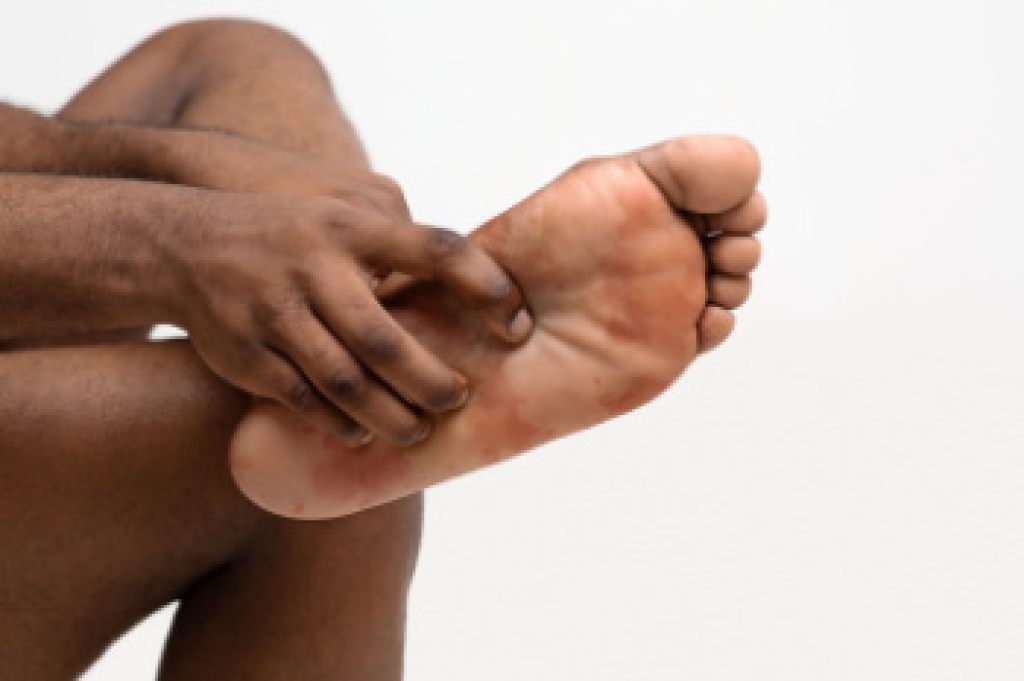
Neuropathy is a condition that leads to damage to the nerves in the body. Peripheral neuropathy, or neuropathy that affects your peripheral nervous system, usually occurs in the feet. Neuropathy can be triggered by a number of different causes. Such causes include diabetes, infections, cancers, disorders, and toxic substances.
Symptoms of Neuropathy Include:
Those with diabetes are at serious risk due to being unable to feel an ulcer on their feet. Diabetics usually also suffer from poor blood circulation. This can lead to the wound not healing, infections occurring, and the limb may have to be amputated.
Treatment
To treat neuropathy in the foot, podiatrists will first diagnose the cause of the neuropathy. Figuring out the underlying cause of the neuropathy will allow the podiatrist to prescribe the best treatment, whether it be caused by diabetes, toxic substance exposure, infection, etc. If the nerve has not died, then it’s possible that sensation may be able to return to the foot.
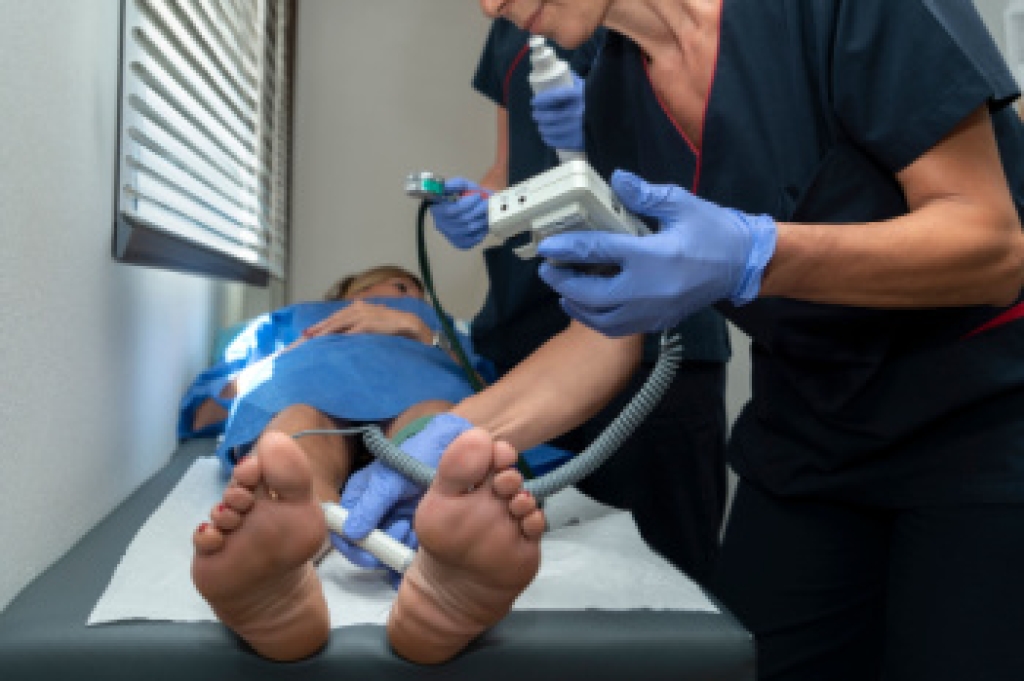
Pain medication may be issued for pain. Electrical nerve stimulation can be used to stimulate nerves. If the neuropathy is caused from pressure on the nerves, then surgery may be necessary.
If you have any questions, please feel free to contact our offices located in Oceanside, Franklin Square, and East Norwich, NY . We offer the newest diagnostic and treatment technologies for all your foot care needs.

Ingrown toenails can range from mildly uncomfortable to severely painful and infected. For more advanced cases, a podiatrist may lift and trim the ingrown portion of the nail or perform a partial nail removal to relieve pressure and allow proper healing. If the problem is recurrent, a procedure can be done to remove part of the nail root using a chemical or laser to prevent regrowth in that area. In cases of severe infection or persistent ingrowth, full nail removal may be recommended. These treatments aim to reduce pain, prevent infection, and correct nail growth. If left untreated, an ingrown toenail can lead to deeper infection and more serious complications. If you have a persistent ingrown toenail, it is suggested that you see a podiatrist for a diagnosis and treatment that best suits your condition.
Ingrown toenails can become painful if they are not treated properly. For more information about ingrown toenails, contact one of our podiatrists of Nassau Foot & Ankle. Our doctors can provide the care you need to keep you pain-free and on your feet.
Ingrown Toenails
Ingrown toenails occur when a toenail grows sideways into the bed of the nail, causing pain, swelling, and possibly infection.
Causes
Prevention
Because ingrown toenails are not something found outside of shoe-wearing cultures, going barefoot as often as possible will decrease the likeliness of developing ingrown toenails. Wearing proper fitting shoes and using proper cutting techniques will also help decrease your risk of developing ingrown toenails.
Treatment
Ingrown toenails are a very treatable foot condition. In minor cases, soaking the affected area in salt or antibacterial soaps will not only help with the ingrown nail itself, but also help prevent any infections from occurring. In more severe cases, surgery is an option. In either case, speaking to your podiatrist about this condition will help you get a better understanding of specific treatment options that are right for you.
If you have any questions, please feel free to contact our offices located in Oceanside, Franklin Square, and East Norwich, NY . We offer the newest diagnostic and treatment technologies for all your foot care needs.

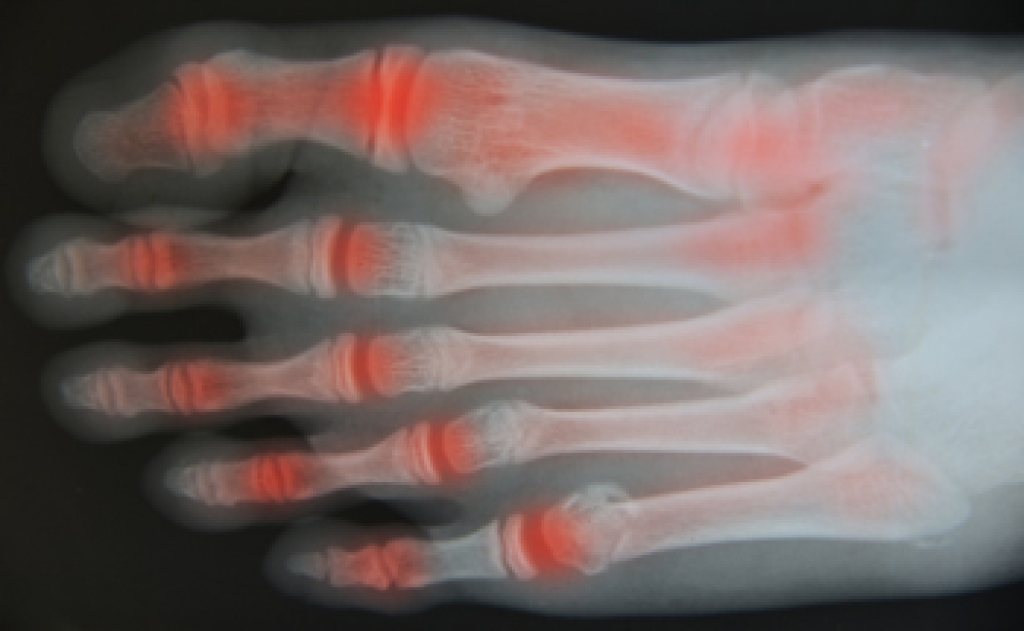
Gout is caused by a buildup of uric acid in the blood, which forms sharp crystals in the joints and leads to sudden pain, swelling, redness, and warmth. Flare-ups of gout often take place in the big toe. They can make walking difficult and may occur repeatedly, causing damage to joints in the feet and ankles, if left untreated. A podiatrist can diagnose gout by examining the affected area and using imaging or lab tests to rule out other problems, like fractures or other types of arthritis. Gout in the feet can lead to long-term joint damage, tissue changes and deformities. Management of gout includes medication to reduce inflammation and guidance on preventing further flare-ups. A podiatrist can also assess footwear and biomechanics to reduce pressure on affected joints and help preserve foot function. If you have frequent toe or ankle pain caused by gout, it is suggested that you are under the care of a podiatrist for management of this painful condition.
Gout is a foot condition that requires certain treatment and care. If you are seeking treatment, contact one of our podiatrists from Nassau Foot & Ankle. Our doctors will treat your foot and ankle needs.
What Is Gout?
Gout is a type of arthritis caused by a buildup of uric acid in the bloodstream. It often develops in the foot, especially the big toe area, although it can manifest in other parts of the body as well. Gout can make walking and standing very painful and is especially common in diabetics and the obese.
People typically get gout because of a poor diet. Genetic predisposition is also a factor. The children of parents who have had gout frequently have a chance of developing it themselves.
Gout can easily be identified by redness and inflammation of the big toe and the surrounding areas of the foot. Other symptoms include extreme fatigue, joint pain, and running high fevers. Sometimes corticosteroid drugs can be prescribed to treat gout, but the best way to combat this disease is to get more exercise and eat a better diet.
If you have any questions, please feel free to contact our offices located in Oceanside, Franklin Square, and East Norwich, NY . We offer the newest diagnostic and treatment technologies for all your foot care needs.

Caring for foot wounds has a surprisingly long history. As far back as 2200 BC, people were using techniques that laid the foundation for today’s wound care. Ancient clay tablets describe washing wounds, applying early forms of dressings, and using bandages to help injuries heal. Early plasters included ingredients like clay, herbs, and even oil, which helped protect wounds and keep bandages from sticking to sensitive skin. In Egypt, healers used honey, grease, and lint to treat wounds. Honey not only kept bacteria at bay but also helped seal injuries from infection. Egyptians even painted wounds green to symbolize life and healing, though this had a practical side too, since the copper in green pigment fought bacteria. Today, foot wound care involves much more advanced materials and techniques, but the basics remain similar. If you have a slow-healing or infected foot wound, it is suggested you visit a podiatrist for appropriate care.
Wound care is an important part in dealing with diabetes. If you have diabetes and a foot wound or would like more information about wound care for diabetics, consult with one of our podiatrists from Nassau Foot & Ankle. Our doctors will assess your condition and provide you with quality foot and ankle treatment.
What Is Wound Care?
Wound care is the practice of taking proper care of a wound. This can range from the smallest to the largest of wounds. While everyone can benefit from proper wound care, it is much more important for diabetics. Diabetics often suffer from poor blood circulation which causes wounds to heal much slower than they would in a non-diabetic.
What Is the Importance of Wound Care?
While it may not seem apparent with small ulcers on the foot, for diabetics, any size ulcer can become infected. Diabetics often also suffer from neuropathy, or nerve loss. This means they might not even feel when they have an ulcer on their foot. If the wound becomes severely infected, amputation may be necessary. Therefore, it is of the upmost importance to properly care for any and all foot wounds.
How to Care for Wounds
The best way to care for foot wounds is to prevent them. For diabetics, this means daily inspections of the feet for any signs of abnormalities or ulcers. It is also recommended to see a podiatrist several times a year for a foot inspection. If you do have an ulcer, run the wound under water to clear dirt from the wound; then apply antibiotic ointment to the wound and cover with a bandage. Bandages should be changed daily and keeping pressure off the wound is smart. It is advised to see a podiatrist, who can keep an eye on it.
If you have any questions please contact our offices located in Oceanside, Franklin Square, and East Norwich, NY . We offer the newest diagnostic and treatment technologies for all your foot and ankle needs.
Connect With Us