Items filtered by date: May 2025

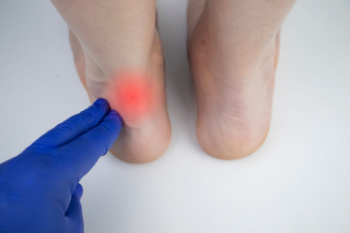
A bump on the bottom of the foot can be caused by several common conditions, including plantar warts, calluses, or a plantar fibroma. Each has distinct causes and symptoms. Plantar warts are caused by the human papillomavirus or HPV, and often appear as rough, grainy growths with tiny black dots. They may be painful when walking. Plantar calluses are thickened areas of skin that develop from repeated pressure or friction, and are typically painless unless they become very thick. A plantar fibroma is a firm, fibrous lump in the arch of the foot caused by a benign tissue growth in the plantar fascia, which may cause discomfort when walking or standing. A podiatrist can examine the bump and determine the exact cause. Treatments vary and may include cryotherapy, trimming thickened skin, orthotics, targeted exercises, or minor surgery, for fibromas. If you have a painful bump on the bottom of your foot, it is suggested that you schedule an appointment with a podiatrist for appropriate treatment.

Foot Pain

Foot pain can be extremely painful and debilitating. If you have a foot pain, consult with one of our podiatrists from Nassau Foot & Ankle. Our doctors will assess your condition and provide you with quality foot and ankle treatment.

Causes

Foot pain is a very broad condition that could be caused by one or more ailments. The most common include:

  • Bunions
  • Hammertoes
  • Plantar Fasciitis
  • Bone Spurs
  • Corns
  • Tarsal Tunnel Syndrome
  • Ingrown Toenails
  • Arthritis (such as Gout, Rheumatoid, and Osteoarthritis)
  • Flat Feet
  • Injury (from stress fractures, broken toe, foot, ankle, Achilles tendon ruptures, and sprains)
  • And more

Diagnosis

To figure out the cause of foot pain, podiatrists utilize several different methods. This can range from simple visual inspections and sensation tests to X-rays and MRI scans. Prior medical history, family medical history, and any recent physical traumatic events will all be taken into consideration for a proper diagnosis.

Treatment

Treatment depends upon the cause of the foot pain. Whether it is resting, staying off the foot, or having surgery; podiatrists have a number of treatment options available for foot pain.

If you have any questions, please feel free to contact our offices located in Oceanside, Franklin Square, and East Norwich, NY . We offer the newest diagnostic and treatment technologies for all your foot care needs.

Read more about Foot Pain
Tuesday, 20 May 2025 00:00

Plantar Warts and Prevention Tips

A plantar wart is a small growth that appears on the bottom of the foot and is caused by the human papillomavirus. This virus enters the body through tiny cuts or breaks in the skin and thrives in warm, moist environments such as public showers, locker rooms, and around swimming pools. Plantar warts often appear as rough, grainy lesions with black pinpoints in the center and can cause discomfort or pain when walking. The virus spreads through direct contact, either person to person or from contaminated surfaces. Wearing shoes in public areas, keeping feet clean and dry, and avoiding contact with existing warts can help reduce the risk of infection. As they grow inward, plantar warts can be painful as a result of standing or walking for long periods. If you have developed this condition, it is suggested that you promptly consult a podiatrist who can offer effective treatment solutions.

Plantar warts can be very uncomfortable. If you need your feet checked, contact one of our podiatrists from Nassau Foot & Ankle. Our doctors will assist you with all of your foot and ankle needs.

About Plantar Warts

Plantar warts are the result of HPV, or human papillomavirus, getting into open wounds on the feet. They are mostly found on the heels or balls of the feet.

While plantar warts are generally harmless, those experiencing excessive pain or those suffering from diabetes or a compromised immune system require immediate medical care. Plantar warts are easily diagnosed, usually through scraping off a bit of rough skin or by getting a biopsy.

Symptoms

  • Lesions on the bottom of your feet, usually rough and grainy
  • Hard or thick callused spots
  • Wart seeds, which are small clotted blood vessels that look like little black spots
  • Pain, discomfort, or tenderness of your feet when walking or standing

Treatment

  • Freezing
  • Electric tool removal
  • Laser Treatment
  • Topical Creams (prescription only)
  • Over-the-counter medications

To help prevent developing plantar warts, avoid walking barefoot over abrasive surfaces that can cause cuts or wounds for HPV to get into. Avoiding direct contact with other warts, as well as not picking or rubbing existing warts, can help prevent the further spread of plantar warts. However, if you think you have developed plantar warts, speak to your podiatrist. He or she can diagnose the warts on your feet and recommend the appropriate treatment options.

If you have any questions, please feel free to contact our offices located in Oceanside, Franklin Square, and East Norwich, NY . We offer the newest diagnostic and treatment technologies for all your foot care needs.

Read more about What Are Plantar Warts?

Although gout is more common in adults, children and teenagers can develop it, especially if they have certain medical conditions or a family history. Gout is a form of arthritis caused by high levels of uric acid in the blood, which can form painful crystals in the joints. It often affects the big toe, and can produce excruciating pain. In younger individuals, it may be linked to kidney problems, obesity, or inherited disorders. Symptoms include joint pain, redness, and swelling, often in the big toe. Avoiding gout in children and teens involves maintaining a healthy weight, staying hydrated, and eating a balanced diet that limits high-purine foods such as red meat and sugary drinks. If your child has pain in the big toe, it is suggested that you promptly contact a podiatrist who can accurately diagnose gout, and offer relief and treatment solutions for this painful condition.

Gout is a painful condition that can be treated. If you are seeking treatment, contact one of our podiatrists from Nassau Foot & Ankle. Our doctors will treat your foot and ankle needs.

What Is Gout?

Gout is a form of arthritis that is characterized by sudden, severe attacks of pain, redness, and tenderness in the joints. The condition usually affects the joint at the base of the big toe. A gout attack can occur at any random time, such as the middle of the night while you are asleep.

Symptoms

  • Intense Joint Pain - Usually around the large joint of your big toe, and it most severe within the first four to twelve hours
  • Lingering Discomfort - Joint discomfort may last from a few days to a few weeks
  • Inflammation and Redness -Affected joints may become swollen, tender, warm and red
  • Limited Range of Motion - May experience a decrease in joint mobility

Risk Factors

  • Genetics - If family members have gout, you’re more likely to have it
  • Medications - Diuretic medications can raise uric acid levels
  • Gender/Age - Gout is more common in men until the age of 60. It is believed that estrogen protects women until that point
  • Diet - Eating red meat and shellfish increases your risk
  • Alcohol - Having more than two alcoholic drinks per day increases your risk
  • Obesity - Obese people are at a higher risk for gout

Prior to visiting your podiatrist to receive treatment for gout, there are a few things you should do beforehand. If you have gout you should write down your symptoms--including when they started and how often you experience them, important medical information you may have, and any questions you may have. Writing down these three things will help your podiatrist in assessing your specific situation so that he or she may provide the best route of treatment for you.

If you have any questions, please feel free to contact our offices located in Oceanside, Franklin Square, and East Norwich, NY . We offer the newest diagnostic and treatment technologies for all your foot care needs.

Read more about Gout
Thursday, 08 May 2025 00:00

Gout Pain Can Be Managed
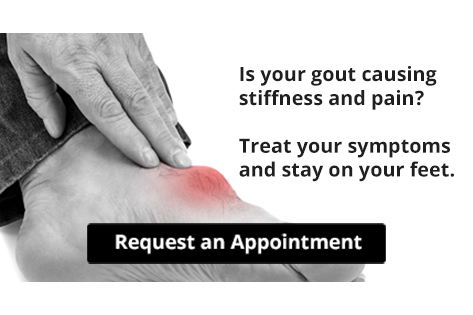
Gout is a painful, inflammatory form of arthritis. Those affected will typically feel an intense stiffness in the joints of their feet, particularly in the big toe. Schedule a visit to learn about how gout can be managed and treated.

The Achilles tendon is the thick band of tissue that connects the calf muscles to the heel bone. It helps you walk, run, and jump by allowing your foot to push off the ground. Because it handles so much force, it can be injured through overuse, sudden movements, or lack of flexibility. When the tendon is strained or torn, healing can take time and depends on factors like blood flow, rest, and how the injury is treated. The tendon heals by forming new tissue, but this process is slower than in other areas of the body. Stretching, strengthening exercises, and targeted exercises often help the tendon recover. In more serious cases, surgery may be needed. If you notice pain or stiffness in the back of your ankle, it is suggested that you see a podiatrist for an accurate diagnosis and appropriate treatment.

Achilles tendon injuries need immediate attention to avoid future complications. If you have any concerns, contact one of our podiatrists of Nassau Foot & Ankle. Our doctors can provide the care you need to keep you pain-free and on your feet.

What Is the Achilles Tendon?

The Achilles tendon is a tendon that connects the lower leg muscles and calf to the heel of the foot. It is the strongest tendon in the human body and is essential for making movement possible. Because this tendon is such an integral part of the body, any injuries to it can create immense difficulties and should immediately be presented to a doctor.

What Are the Symptoms of an Achilles Tendon Injury?

There are various types of injuries that can affect the Achilles tendon. The two most common injuries are Achilles tendinitis and ruptures of the tendon.

Achilles Tendinitis Symptoms

  • Inflammation
  • Dull to severe pain
  • Increased blood flow to the tendon
  • Thickening of the tendon

Rupture Symptoms

  • Extreme pain and swelling in the foot
  • Total immobility

Treatment and Prevention

Achilles tendon injuries are diagnosed by a thorough physical evaluation, which can include an MRI. Treatment involves rest, physical therapy, and in some cases, surgery. However, various preventative measures can be taken to avoid these injuries, such as:

  • Thorough stretching of the tendon before and after exercise
  • Strengthening exercises like calf raises, squats, leg curls, leg extensions, leg raises, lunges, and leg presses

If you have any questions please feel free to contact our offices located in Oceanside, Franklin Square, and East Norwich, NY . We offer the newest diagnostic tools and technology to treat your foot and ankle needs.

Read more about Achilles Tendon Injuries

Connect With Us