Connect With Us
Blog
Items filtered by date: February 2024
Tuesday, 27 February 2024 00:00
Causes of Night Foot Pain

Every day, foot pain affects millions of people worldwide, ranging from dull aches to sharp stings. Some experience foot pain solely at night, disrupting their sleep quality. One common cause is plantar fasciitis, where the tissue running from the foot's front through the arch to the heel becomes inflamed, often worsened by factors like flat feet or tight calf muscles. Another foot pain culprit is Morton’s neuroma, which is characterized by pinching or inflammation around the nerves in your toes and can lead to burning or shooting pains. Pregnancy-related changes in calcium levels may cause leg and foot cramps. Diabetes can damage foot nerves due to high blood sugar levels. Fibromyalgia sufferers often experience widespread pain, including in the feet, exacerbated at night by low cortisol levels. Lifestyle factors and foot anatomy also contribute to nighttime foot pain. If you are experiencing persistent nighttime foot pain, it is suggested that you make an appointment with a podiatrist for a proper diagnosis and appropriate treatment.
Foot Pain
Foot pain can be extremely painful and debilitating. If you have a foot pain, consult with one of our podiatrists from Nassau Foot & Ankle. Our doctors will assess your condition and provide you with quality foot and ankle treatment.
Causes
Foot pain is a very broad condition that could be caused by one or more ailments. The most common include:
- Bunions
- Hammertoes
- Plantar Fasciitis
- Bone Spurs
- Corns
- Tarsal Tunnel Syndrome
- Ingrown Toenails
- Arthritis (such as Gout, Rheumatoid, and Osteoarthritis)
- Flat Feet
- Injury (from stress fractures, broken toe, foot, ankle, Achilles tendon ruptures, and sprains)
- And more
Diagnosis
To figure out the cause of foot pain, podiatrists utilize several different methods. This can range from simple visual inspections and sensation tests to X-rays and MRI scans. Prior medical history, family medical history, and any recent physical traumatic events will all be taken into consideration for a proper diagnosis.
Treatment
Treatment depends upon the cause of the foot pain. Whether it is resting, staying off the foot, or having surgery; podiatrists have a number of treatment options available for foot pain.
If you have any questions, please feel free to contact our offices located in Oceanside, Franklin Square, and East Norwich, NY . We offer the newest diagnostic and treatment technologies for all your foot care needs.
Tuesday, 20 February 2024 00:00
Stretches for Healthy and Strong Feet
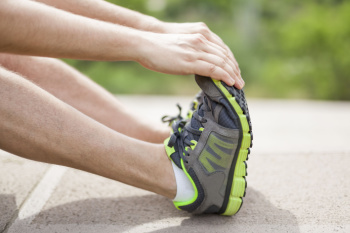
Maintaining healthy and strong feet is essential for overall well-being and mobility. Incorporating regular stretching exercises into your routine can help improve flexibility, reduce stiffness, and prevent common foot issues. Toe stretches, such as toe flexion and extension, help stretch the muscles and ligaments in the toes, promoting better mobility and preventing conditions like plantar fasciitis. Calf stretches, like the calf raise and wall stretch, target the Achilles tendon and calf muscles, reducing tightness and improving range of motion in the ankles and feet. Arch stretches, such as the towel stretch and golf ball roll, can alleviate discomfort and strengthen the arches of the feet, reducing the risk of conditions like flat feet. Additionally, performing ankle circles and ankle alphabet exercises can help improve ankle stability and mobility, enhancing overall foot function. If you would like information about additional specific foot stretches to practice for healthy, strong feet, it is suggested that you schedule an appointment with a podiatrist.
Exercising your feet regularly with the proper foot wear is a great way to prevent injuries and build strength. If you have any concerns about your feet, contact one of our podiatrists from Nassau Foot & Ankle. Our doctors can provide the care you need to keep you pain-free and on your feet.
Exercise for Your Feet
Exercise for your feet can help you gain strength, mobility and flexibility in your feet. They say that strengthening your feet can be just as rewarding as strengthening another part of the body. Your feet are very important, and we often forget about them in our daily tasks. But it is because of our feet that are we able to get going and do what we need to. For those of us fortunate enough to not have any foot problems, it is an important gesture to take care of them to ensure good health in the long run.
Some foot health exercises can include ankle pumps, tip-toeing, toe rises, lifting off the floor doing reps and sets, and flexing the toes. It is best to speak with Our doctors to determine an appropriate regimen for your needs. Everyone’s needs and bodies are different, and the activities required to maintain strength in the feet vary from individual to individual.
Once you get into a routine of doing regular exercise, you may notice a difference in your feet and how strong they may become.
If you have any questions please feel free to contact our offices located in Oceanside, Franklin Square, and East Norwich, NY . We offer the newest diagnostic and treatment technologies for all your foot and ankle needs.
Tuesday, 13 February 2024 00:00
Is My Foot Pain Caused by Flat Feet?
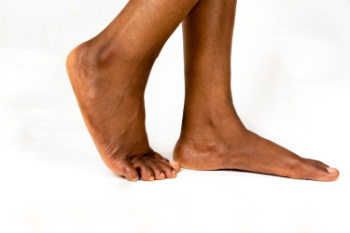 Flatfoot occurs when the arches of the feet are low or even touch the ground. While many people with flatfoot don’t experience major foot problems, the altered biomechanics of the foot can lead to foot pain and gait issues. Collapsed arches can strain the ligaments, tendons, and muscles that support the foot's structure. This strain is what may lead to pain, particularly in the arch area and the inner side of the ankle. This pain can even extend to the knee or lower back. Individuals with flat feet may experience pain during prolonged periods of standing or walking. The absence of a natural arch can also affect shock absorption, increasing the force on joints and potentially causing discomfort. Podiatrists can recommend supportive footwear, shoe inserts, and targeted exercises to strengthen the foot muscles. If you have foot pain and flat feet, it is suggested you consult with a podiatrist who can locate the source of your pain and provide a customized treatment plan to improve your foot health.
Flatfoot is a condition many people suffer from. If you have flat feet, contact one of our podiatrists from Nassau Foot & Ankle. Our doctors will treat your foot and ankle needs.
What Are Flat Feet?
Flatfoot is a condition in which the arch of the foot is depressed and the sole of the foot is almost completely in contact with the ground. About 20-30% of the population generally has flat feet because their arches never formed during growth.
Conditions & Problems:
Having flat feet makes it difficult to run or walk because of the stress placed on the ankles.
Alignment – The general alignment of your legs can be disrupted, because the ankles move inward which can cause major discomfort.
Knees – If you have complications with your knees, flat feet can be a contributor to arthritis in that area.
Symptoms
- Pain around the heel or arch area
- Trouble standing on the tip toe
- Swelling around the inside of the ankle
- Flat look to one or both feet
- Having your shoes feel uneven when worn
Treatment
If you are experiencing pain and stress on the foot you may weaken the posterior tibial tendon, which runs around the inside of the ankle.
If you have any questions please feel free to contact our offices located in Oceanside, Franklin Square, and East Norwich, NY . We offer the newest diagnostic and treatment technologies for all your foot and ankle needs.
Friday, 09 February 2024 00:00
Why Live with Pain and Numbness in Your Feet?
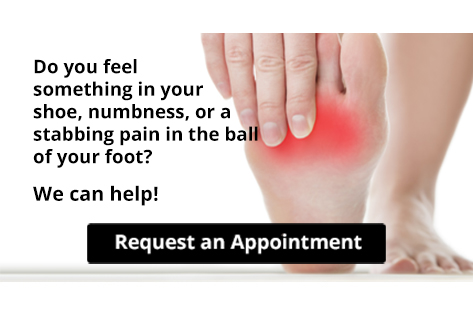
Suffering from this type of pain? You may have the foot condition known as Morton's neuroma. Morton's neuroma may develop as a result of ill-fitting footwear and existing foot deformities. We can help.
Tuesday, 06 February 2024 00:00
Causes of Falls in Older Adults

Falls among older adults are a common concern, with more than one in four individuals aged 65 or older experiencing a fall each year. Numerous factors contribute to falls in older adults, including age-related changes, such as diminished vision, hearing, reflexes, and muscle mass, all of which can impact balance. Additionally, medical conditions such as diabetes, heart disease, neuropathy, and thyroid disorders often compromise stability. Other factors include mobility issues such as gait abnormalities, muscle weakness, and abrupt changes in blood pressure. Medications can increase the risk of falls by inducing side effects like dizziness or confusion. Foot problems, including painful conditions and wearing unsuitable footwear, such as high heels or backless shoes, further add to the likelihood of falling. Environmental factors, consisting of slippery floors or inadequate lighting at home or in the community, also pose significant hazards. Prevention tips include seeking appropriate medical care, wearing supportive footwear, and creating a safe living environment. If concerns about foot health or falls prevention arise, it is suggested that you seek guidance from a podiatrist who is medically trained to manage these concerns.
Preventing falls among the elderly is very important. If you are older and have fallen or fear that you are prone to falling, consult with one of our podiatrists from Nassau Foot & Ankle. Our doctors will assess your condition and provide you with quality advice and care.
Every 11 seconds, an elderly American is being treated in an emergency room for a fall related injury. Falls are the leading cause of head and hip injuries for those 65 and older. Due to decreases in strength, balance, senses, and lack of awareness, elderly persons are very susceptible to falling. Thankfully, there are a number of things older persons can do to prevent falls.
How to Prevent Falls
Some effective methods that older persons can do to prevent falls include:
- Enrolling in strength and balance exercise program to increase balance and strength
- Periodically having your sight and hearing checked
- Discuss any medications you have with a doctor to see if it increases the risk of falling
- Clearing the house of falling hazards and installing devices like grab bars and railings
- Utilizing a walker or cane
- Wearing shoes that provide good support and cushioning
- Talking to family members about falling and increasing awareness
Falling can be a traumatic and embarrassing experience for elderly persons; this can make them less willing to leave the house, and less willing to talk to someone about their fears of falling. Doing such things, however, will increase the likelihood of tripping or losing one’s balance. Knowing the causes of falling and how to prevent them is the best way to mitigate the risk of serious injury.
If you have any questions, please feel free to contact our offices located in Oceanside, Franklin Square, and East Norwich, NY . We offer the newest diagnostic and treatment technologies for all your foot care needs.
Blog Archives
- April 2025
- March 2025
- February 2025
- January 2025
- December 2024
- November 2024
- October 2024
- September 2024
- August 2024
- July 2024
- June 2024
- May 2024
- April 2024
- March 2024
- February 2024
- January 2024
- December 2023
- November 2023
- October 2023
- September 2023
- August 2023
- July 2023
- June 2023
- May 2023
- April 2023
- March 2023
- February 2023
- January 2023
- December 2022
- November 2022
- October 2022
- September 2022
- August 2022
- July 2022
- June 2022
- May 2022
- April 2022
- March 2022
- February 2022
- January 2022
- December 2021
- November 2021
- October 2021
- September 2021
- August 2021
- July 2021
