Items filtered by date: July 2025

Tuesday, 29 July 2025 00:00

Changes in Feet During Pregnancy

Pregnancy can bring significant changes to the feet and ankles due to hormonal shifts and increased body weight. Many women notice an increase in shoe size as the ligaments relax and the arch flattens. Swelling and fluid retention are also common, especially in the ankles. Some women may experience redness and itching of the soles, often caused by elevated estrogen levels. These symptoms can lead to discomfort and difficulty walking. A podiatrist can provide supportive care through custom orthotics, guidance on proper footwear, and treatments to relieve irritation and swelling. If you are experiencing foot or ankle issues during pregnancy, it is suggested that you consult a podiatrist who can treat various foot conditions returning comfort, mobility, and support throughout this important stage.

Pregnant women with swollen feet can be treated with a variety of different methods that are readily available. For more information about other cures for swollen feet during pregnancy, consult with one of our podiatrists from Nassau Foot & Ankle. Our doctors will attend to all of your foot and ankle needs.

What Foot Problems Can Arise During Pregnancy?

One problem that can occur is overpronation, which occurs when the arch of the foot flattens and tends to roll inward.  This can cause pain and discomfort in your heels while you’re walking or even just standing up, trying to support your baby.  

Another problem is edema, or swelling in the extremities. This often affects the feet during pregnancy but tends to occur in the later stages. 

How Can I Keep My Feet Healthy During Pregnancy?

  • Wearing orthotics can provide extra support for the feet and help distribute weight evenly
  • Minimize the amount of time spent walking barefoot
  • Wear shoes with good arch support
  • Wear shoes that allow for good circulation to the feet
  • Elevate feet if you experience swelling
  • Massage your feet
  • Get regular, light exercise, such as walking, to promote blood circulation to the feet

If you have any questions, please feel free to contact our offices located in Oceanside, Franklin Square, and East Norwich, NY . We offer the newest diagnostic and treatment technologies for all your foot care needs.
Read more about Foot Care for Pregnant Women
Tuesday, 22 July 2025 00:00

What Is Capsulitis of the Second Toe?

Capsulitis of the second toe is a condition where the ligament capsule surrounding the joint at the base of the toe becomes inflamed. This joint helps stabilize the toe during walking. Causes of capsulitis include abnormal foot structure, poor footwear, repetitive pressure, or a long second toe. Symptoms often involve pain in the ball of the foot, swelling, redness, and the sensation of walking on a pebble. Without treatment, the toe may begin to drift or overlap the big toe. A podiatrist can diagnose the condition and provide treatment to reduce inflammation and restore alignment. If you have persistent forefoot pain, it is suggested that you visit a podiatrist for an accurate diagnosis and relief that supports your foot health.

Toe pain can disrupt your daily activities. If you have any concerns, contact one of our podiatrists of Nassau Foot & Ankle. Our doctors can provide the care you need to keep you pain-free and on your feet.

What Causes Toe Pain?

Most severe toe pain is caused due to a sports injury, trauma from dropping something heavy on the toe, or bumping into something rigid. Other problems can develop over time for various reasons.

Toe pain can be caused by one or more ailments. The most common include:

  • Trauma
  • Sports injury
  • Wearing shoes that are too tight
  • Arthritis
  • Gout
  • Corns and calluses
  • Hammertoe
  • Bunions
  • Blisters
  • Ingrown toenails
  • Sprains
  • Fractures (broken bones)
  • Dislocations

When to See a Podiatrist

  • Severe pain
  • Persistent pain that lasts more than a week
  • Signs of infection
  • Continued swelling
  • Pain that prevents walking

Diagnosis

In many cases the cause of toe pain is obvious, but in others, a podiatrist may want to use more advanced methods to determine the problem. These can range from simple visual inspections and sensation tests to X-rays and MRI scans. Prior medical history, family medical history, and any recent physical traumatic events will all be taken into consideration for a proper diagnosis.

Treatment

Treatments for toe pain and injuries vary and may include shoe inserts, padding, taping, medicines, injections, and in some cases, surgery. If you believe that you have broken a toe, please see a podiatrist as soon as possible.

If you have any questions please contact our offices located in Oceanside, Franklin Square, and East Norwich, NY . We offer the newest diagnostic and treatment technologies for all your foot and ankle needs.

Read more about Toe Pain

The way your feet move and function plays a major role in how you walk, stand, and complete everyday tasks. Foot biomechanics refers to how the bones, muscles, and joints work together with each step. When this system is not working well, due to flat feet, high arches, or poor alignment, other areas of the body such as the knees, hips, or back, may be affected. Small imbalances can lead to pain, fatigue, or uneven wear on shoes. Over time, this may impact posture, stability, and the ability to move comfortably. Even simple activities like climbing stairs, carrying groceries, or standing for long periods of time can become harder when the foot is not functioning properly. Paying attention to how your feet move can help prevent discomfort and injury. If you are noticing soreness, poor balance, or unusual wear patterns on your shoes, it is suggested that you see a podiatrist for evaluation and guidance.

If you have any concerns about your feet, contact one of our podiatrists from Nassau Foot & Ankle. Our doctors can provide the care you need to keep you pain-free and on your feet.

Biomechanics in Podiatry

Podiatric biomechanics is a particular sector of specialty podiatry with licensed practitioners who are trained to diagnose and treat conditions affecting the foot, ankle and lower leg. Biomechanics deals with the forces that act against the body, causing an interference with the biological structures. It focuses on the movement of the ankle, the foot and the forces that interact with them.

A History of Biomechanics

  • Biomechanics dates back to the BC era in Egypt where evidence of professional foot care has been recorded.
  • In 1974, biomechanics gained a higher profile from the studies of Merton Root, who claimed that by changing or controlling the forces between the ankle and the foot, corrections or conditions could be implemented to gain strength and coordination in the area.

Modern technological improvements are based on past theories and therapeutic processes that provide a better understanding of podiatric concepts for biomechanics. Computers can provide accurate information about the forces and patterns of the feet and lower legs.

Understanding biomechanics of the feet can help improve and eliminate pain, stopping further stress to the foot.

If you have any questions please feel free to contact our offices located in Oceanside, Franklin Square, and East Norwich, NY . We offer the newest diagnostic and treatment technologies for all your foot and ankle needs.

Read more about Biomechanics in Podiatry
Tuesday, 08 July 2025 00:00

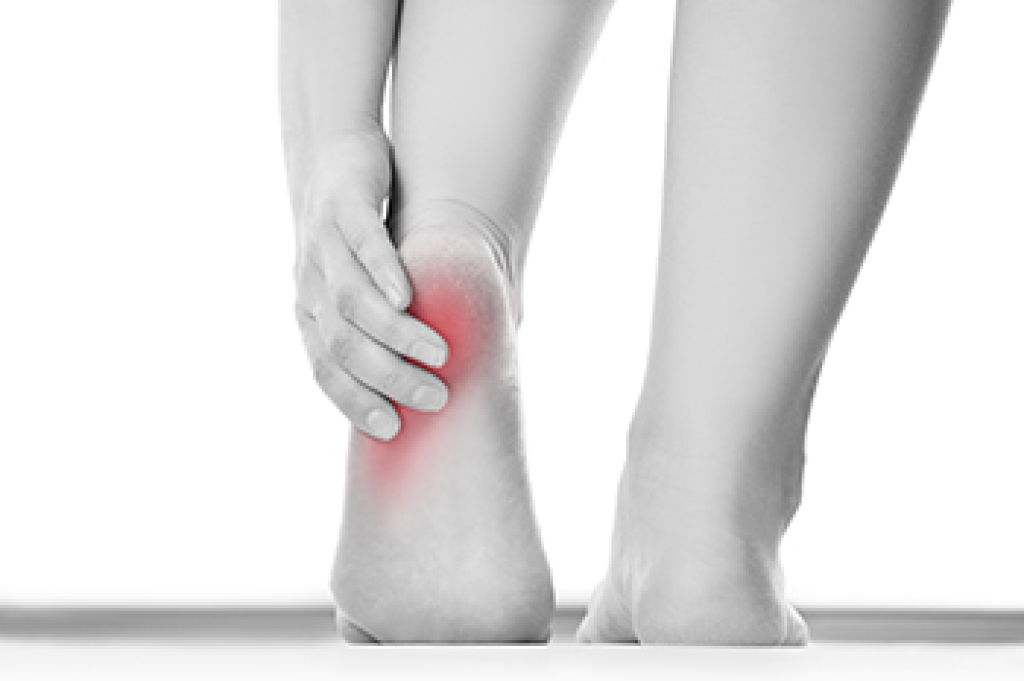
Do I Have a Heel Spur?

Heel spurs are bony growths that develop on the underside of the heel bone, often caused by long-term strain on foot muscles and ligaments. They are frequently associated with plantar fasciitis and may result from repeated stress, walking abnormalities, or footwear that lacks adequate support. Risk factors include obesity, flat feet, aging, and extended periods of standing or walking. Symptoms include sharp heel pain, especially with the first steps in the morning. A podiatrist can diagnose heel spurs using imaging and physical examination and may recommend treatments, such as custom orthotics, stretching exercises, or footwear changes. If heel pain is affecting your mobility, it is suggested that you consult a podiatrist to find relief and regain comfort in your daily activities.

Heel spurs can be incredibly painful and sometimes may make you unable to participate in physical activities. To get medical care for your heel spurs, contact one of our podiatrists from Nassau Foot & Ankle. Our doctors will do everything possible to treat your condition.

Heels Spurs

Heel spurs are formed by calcium deposits on the back of the foot where the heel is. This can also be caused by small fragments of bone breaking off one section of the foot, attaching onto the back of the foot. Heel spurs can also be bone growth on the back of the foot and may grow in the direction of the arch of the foot.

Older individuals usually suffer from heel spurs and pain sometimes intensifies with age. One of the main condition's spurs are related to is plantar fasciitis.

Pain

The pain associated with spurs is often because of weight placed on the feet. When someone is walking, their entire weight is concentrated on the feet. Bone spurs then have the tendency to affect other bones and tissues around the foot. As the pain continues, the feet will become tender and sensitive over time.

Treatments

There are many ways to treat heel spurs. If one is suffering from heel spurs in conjunction with pain, there are several methods for healing. Medication, surgery, and herbal care are some options.

If you have any questions, please feel free to contact our offices located in Oceanside, Franklin Square, and East Norwich, NY . We offer the newest diagnostic and treatment technologies for all your foot care needs.

Read more about Heel Spurs

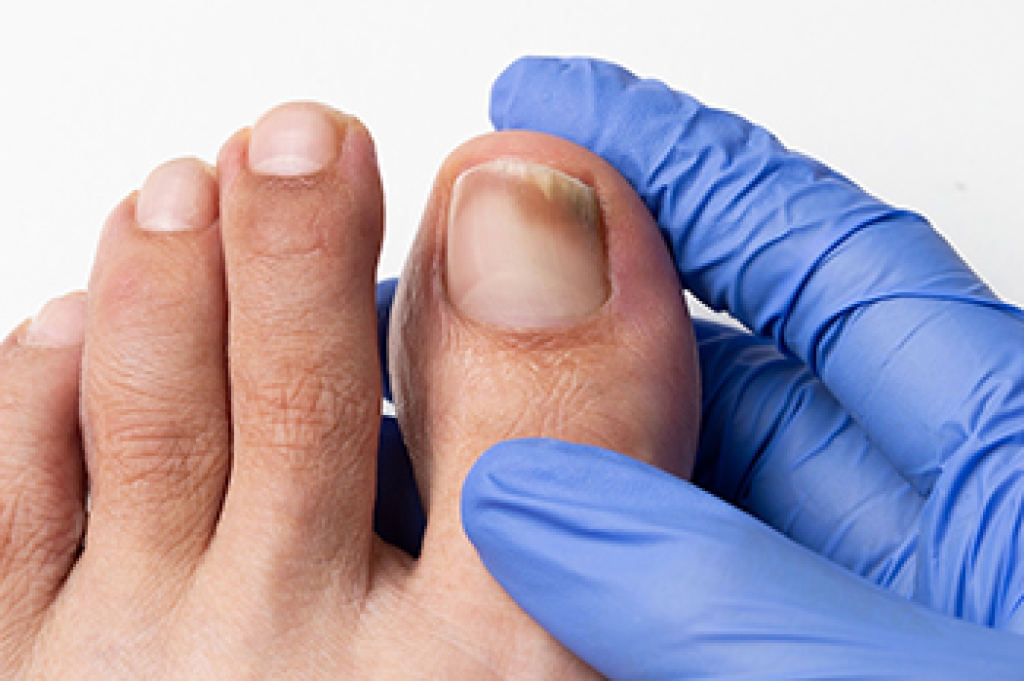
Ingrown toenails can be painful and can make wearing shoes or walking uncomfortable. Seek professional help if you believe you've developed an ingrown toenail and be treated safely. 

Tuesday, 01 July 2025 00:00

Understanding Plantar Warts

Plantar warts are small, rough growths that develop on the soles of the feet due to the human papillomavirus. They often appear as hard, grainy lesions with tiny black dots in the center and may cause pain while walking or standing. These warts can be mistaken for calluses but are often more tender and grow inward due to pressure from standing. They are commonly spread in moist environments like locker rooms or public showers. Individuals with weakened immune systems or those who walk barefoot are at higher risk. A podiatrist can diagnose plantar warts and offer treatments such as topical therapy, cryotherapy, or removal. If you have developed a plantar wart, it is suggested that you seek professional care from a podiatrist to ensure an accurate diagnosis and effective relief from discomfort.

Plantar warts can be very uncomfortable. If you need your feet checked, contact one of our podiatrists from Nassau Foot & Ankle. Our doctors will assist you with all of your foot and ankle needs.

About Plantar Warts

Plantar warts are the result of HPV, or human papillomavirus, getting into open wounds on the feet. They are mostly found on the heels or balls of the feet.

While plantar warts are generally harmless, those experiencing excessive pain or those suffering from diabetes or a compromised immune system require immediate medical care. Plantar warts are easily diagnosed, usually through scraping off a bit of rough skin or by getting a biopsy.

Symptoms

  • Lesions on the bottom of your feet, usually rough and grainy
  • Hard or thick callused spots
  • Wart seeds, which are small clotted blood vessels that look like little black spots
  • Pain, discomfort, or tenderness of your feet when walking or standing

Treatment

  • Freezing
  • Electric tool removal
  • Laser Treatment
  • Topical Creams (prescription only)
  • Over-the-counter medications

To help prevent developing plantar warts, avoid walking barefoot over abrasive surfaces that can cause cuts or wounds for HPV to get into. Avoiding direct contact with other warts, as well as not picking or rubbing existing warts, can help prevent the further spread of plantar warts. However, if you think you have developed plantar warts, speak to your podiatrist. He or she can diagnose the warts on your feet and recommend the appropriate treatment options.

If you have any questions, please feel free to contact our offices located in Oceanside, Franklin Square, and East Norwich, NY . We offer the newest diagnostic and treatment technologies for all your foot care needs.

Read more about All About Plantar Warts

Connect With Us