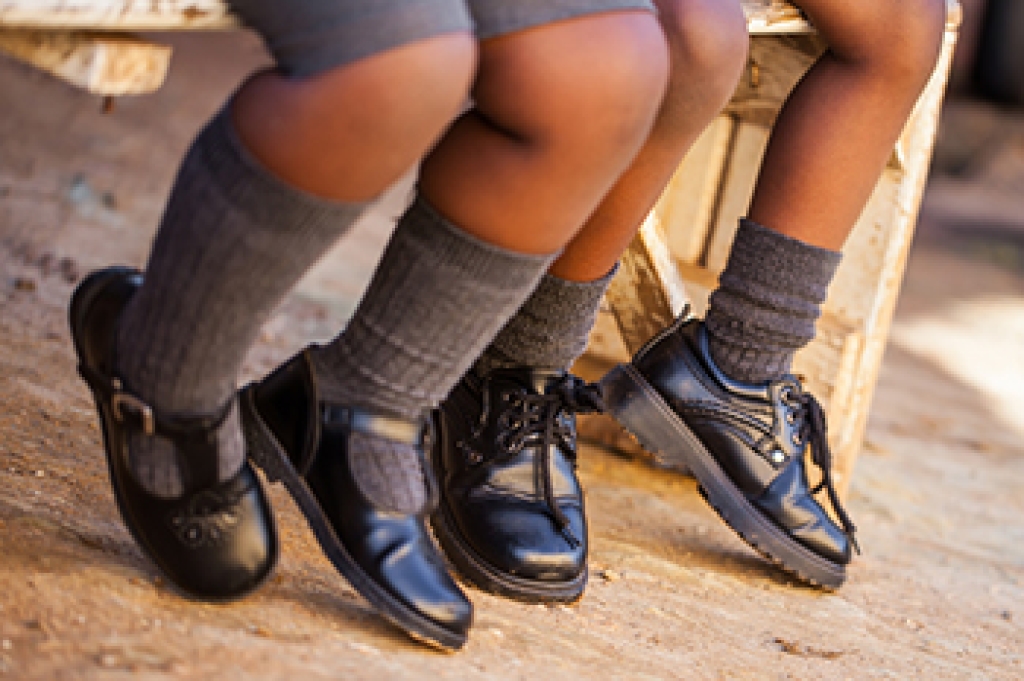
Why Proper Shoe Fit Matters for Children

Finding shoes for a child involves more than choosing a favorite color or a familiar size. Growing feet need room to move without sliding inside the shoe. A poor fit places pressure on the toes and creates friction against the skin. Children do not always explain that their shoes feel tight, so discomfort sometimes appears as reluctance to walk or participate in play. Shoes that previously fit well also become too small as feet grow quickly. A podiatrist evaluates foot development and identifies whether such shoe pressure contributes to pain. This assessment helps parents understand which features suit their child's feet and daily activities.

Accurate sizing starts with measuring both feet while the child stands, since one foot is sometimes larger. Shoes should accommodate the larger foot in both length and width. About half an inch of space beyond the longest toe provides room for movement and growth. The front of the shoe should allow the toes to lie straight and spread comfortably. A snug heel helps prevent slipping without squeezing the back of the foot. Buying an oversized pair to delay the next purchase creates a different problem, because excess movement reduces stability. A podiatrist checks these details and explains how shoe shape affects fit.

Materials and construction also influence comfort. Breathable uppers, like leather or mesh, allow moisture to escape and help keep feet comfortable. Lightweight shoes reduce unnecessary bulk, while a flexible forefoot allows bending near the ball of the foot. Textured soles provide traction on smooth surfaces. Adjustable laces or straps help secure the shoe around the foot. Flat soles generally suit everyday activities, and athletic shoes should match the demands of the sport. Shoes should feel comfortable from the start rather than require a painful break-in period. A child's preferred design still matters, provided the shoe fits properly and supports comfortable movement.

Persistent redness or recurring blisters suggest that shoes need closer attention. Limping also warrants an examination, especially when a child avoids putting more weight on one foot. A podiatrist examines the skin, checks toe position, and observes the child's walking pattern. The evaluation also considers whether an underlying foot problem is contributing to discomfort. Treatment includes addressing the diagnosed cause and recommending shoes that accommodate the child's foot shape. Some children benefit from prescribed shoe inserts when a specific problem requires additional support. If your child has pain related to footwear, it is suggested that you schedule an appointment with a podiatrist for a diagnosis and appropriate treatment.

The health of a child’s feet is vital to their overall well-being. If you have any questions regarding foot health, contact one of our podiatrists of Nassau Foot & Ankle. Our doctors can provide the care you need to keep you pain-free and on your feet.

Tips for Keeping Children's Feet Healthy

  • Make sure their shoes fit properly
  • Look for any signs of in-toeing or out-toeing
  • Check to see if they have Clubfoot (condition that affects your child’s foot and ankle, twisting the heel and toes inward) which is one of the most common nonmajor birth defects.
  • Lightly cover your baby’s feet (Tight covers may keep your baby from moving their feet freely, and could prevent normal development)
  • Allow your toddler to go shoeless (Shoes can be restricting for a young child’s foot)
  • Cut toenails straight across to avoid ingrown toenails
  • Keep your child’s foot clean and dry
  • Cover cuts and scrapes. Wash any scratches with soap and water and cover them with a bandage until they’ve healed.

If you have any questions, please feel free to contact our offices located in Oceanside, Franklin Square, and East Norwich, NY . We offer the newest diagnostic and treatment technologies for all your foot care needs.

Read more about What to Do to Keep Your Child’s Feet Healthy

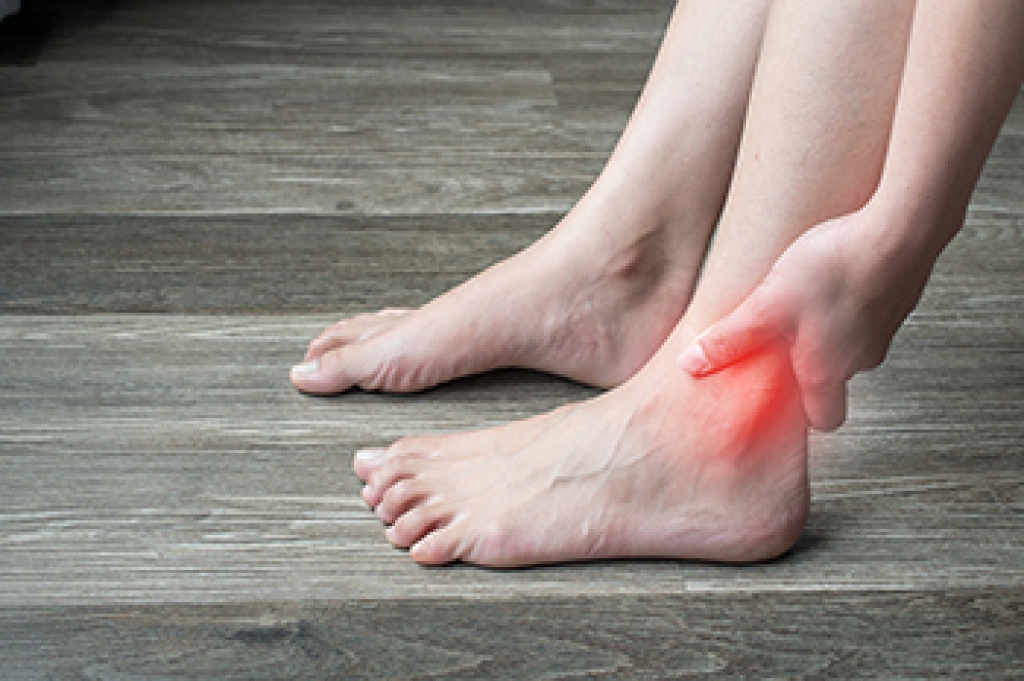
Causes Behind Persistent Ankle Pain

Ankle pain may develop when nerves surrounding the foot and ankle become irritated, compressed, or damaged. These nerves travel from the brain through the legs and into the feet, helping control movement and provide sensation. When a nerve experiences pressure or injury, it may interfere with normal foot function and cause ongoing discomfort. One possible cause of ankle pain is tarsal tunnel syndrome, which occurs when a nerve becomes compressed within a narrow passage along the inside of the ankle. This nerve, known as the posterior tibial nerve, provides feeling to areas of the foot. Pressure on this nerve may lead to persistent pain and changes in sensation.


Symptoms of nerve-related ankle pain vary depending on the location and severity of the irritation. Common signs include burning discomfort, tingling, and numbness around the ankle or foot. Some individuals experience sharp or shooting pain that extends into the toes. Others notice reduced sensation, making it difficult to feel certain types of contact or temperature changes. Nerve damage may also affect the muscles responsible for moving the foot and toes. These symptoms sometimes develop gradually and become more noticeable as nerve irritation continues. Persistent ankle discomfort may interfere with walking, standing, and other daily activities. Identifying the source of the pain is important because different nerves affect different areas of the foot.


A podiatrist evaluates ankle pain by examining the affected area and identifying possible signs of nerve compression. The examination focuses on the location of discomfort, changes in sensation, and movement difficulties. Understanding which nerve is affected helps guide appropriate treatment decisions. Podiatric care focuses on addressing the source of nerve irritation and improving foot and ankle function. Early evaluation is especially important when symptoms persist or sensation begins to change. If you are experiencing ongoing ankle pain, tingling, or numbness, it is suggested that you consult a podiatrist for an evaluation and appropriate treatment options.

Ankle pain can be caused by a number of problems and may be potentially serious. If you have ankle pain, consult with one of our podiatrists from Nassau Foot & Ankle. Our doctors will assess your condition and provide you with quality foot and ankle treatment.

Ankle pain is any condition that causes pain in the ankle. Due to the fact that the ankle consists of tendons, muscles, bones, and ligaments, ankle pain can come from a number of different conditions.

Causes

The most common causes of ankle pain include:

  • Types of arthritis (rheumatoid, osteoarthritis, and gout)
  • Ankle sprains
  • Broken ankles
  • Achilles tendonitis
  • Achilles tendon rupture
  • Stress fractures
  • Bursitis
  • Tarsal tunnel syndrome
  • Plantar fasciitis

Symptoms

Symptoms of ankle injury vary based upon the condition. Pain may include general pain and discomfort, swelling, aching, redness, bruising, burning or stabbing sensations, and/or loss of sensation.

Diagnosis

Due to the wide variety of potential causes of ankle pain, podiatrists will utilize a number of different methods to properly diagnose ankle pain. This can include asking for personal and family medical histories and of any recent injuries. Further diagnosis may include sensation tests, a physical examination, and potentially x-rays or other imaging tests.

Treatment

Just as the range of causes varies widely, so do treatments. Some more common treatments are rest, ice packs, keeping pressure off the foot, orthotics and braces, medication for inflammation and pain, and surgery.

If you have any questions please feel free to contact our offices located in Oceanside, Franklin Square, and East Norwich, NY . We offer the newest diagnostic tools and technology to treat your foot and ankle needs.

Read more about Various Causes of Ankle Pain

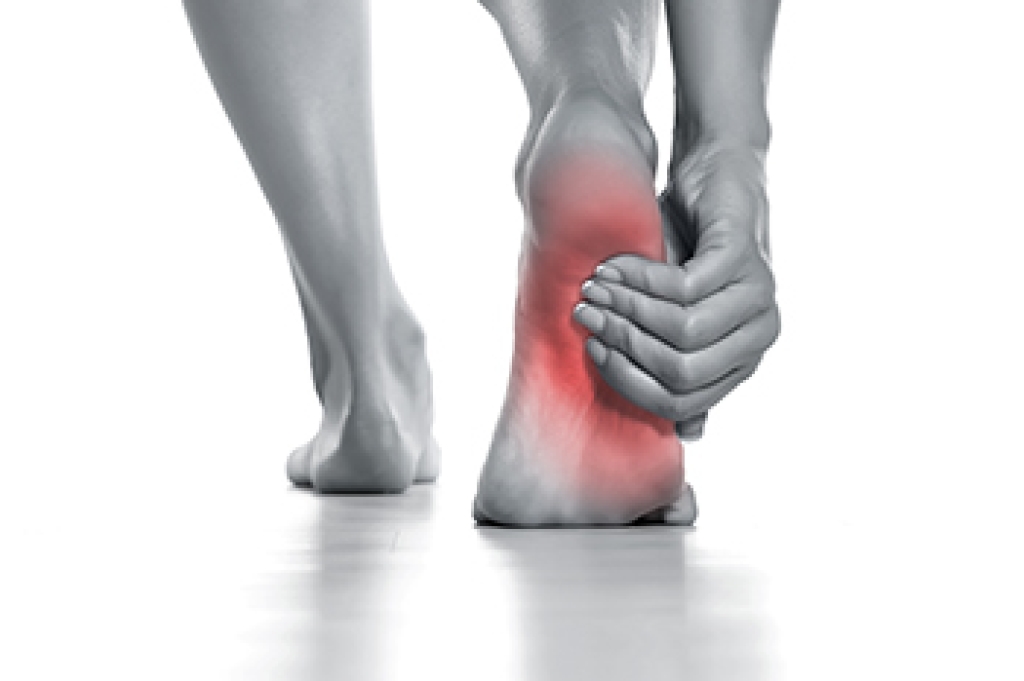
Facts About Heel Pad Syndrome

Heel pad syndrome develops when the natural fat pad beneath the heel becomes irritated, worn, or less able to absorb impact. This cushioning normally protects the heel bone from pressure during walking and running. When the heel pad does not provide enough protection, each step can feel uncomfortable. A common symptom is deep pain in the middle of the heel. Many people describe the sensation as feeling like a bruise on the bottom of the foot. Pain may become more noticeable after standing or walking on hard surfaces.

Several factors increase the risk of heel pad syndrome. Age is an important factor because the heel pad can become thinner and less flexible over time. Foot structure may also affect how pressure is distributed during movement. Running, prolonged standing, and walking on hard surfaces can repeatedly load the heel pad. Wearing unsupportive footwear may further increase pressure and reduce natural cushioning.


Symptoms can vary depending on how much stress the heel experiences. Deep heel pain may appear after exercise or a long day on your feet. The center of the heel may feel tender when pressed, especially after repeated impact. Rest may reduce symptoms, but pain can return when normal activity resumes. Recognizing these changes early helps prevent ongoing irritation and makes it easier to protect the heel during daily activities.


A podiatrist will examine the heel and determine whether heel pad syndrome is causing your pain. The evaluation may include checking tenderness, foot structure, and footwear. Imaging may be recommended when another heel problem needs to be ruled out. Treatment options include wearing cushioned footwear, heel cups, and methods to reduce pressure. A podiatrist may also recommend gradual changes to exercise and daily routines while the heel recovers. If you have persistent heel pain, it is suggested that you consult a podiatrist who can accurately diagnose and treat heel pad syndrome. 

Many people suffer from bouts of heel pain. For more information, contact one of our podiatrists of Nassau Foot & Ankle. Our doctors can provide the care you need to keep you pain-free and on your feet.

Causes of Heel Pain

Heel pain is often associated with plantar fasciitis. The plantar fascia is a band of tissues that extends along the bottom of the foot. A rip or tear in this ligament can cause inflammation of the tissue.

Achilles tendonitis is another cause of heel pain. Inflammation of the Achilles tendon will cause pain from fractures and muscle tearing. Lack of flexibility is also another symptom.

Heel spurs are another cause of pain. When the tissues of the plantar fascia undergo a great deal of stress, it can lead to ligament separation from the heel bone, causing heel spurs.

Why Might Heel Pain Occur?

  • Wearing ill-fitting shoes                
  • Wearing non-supportive shoes
  • Weight change           
  • Excessive running

Treatments

Heel pain should be treated as soon as possible for immediate results. Keeping your feet in a stress-free environment will help. If you suffer from Achilles tendonitis or plantar fasciitis, applying ice will reduce the swelling. Stretching before an exercise like running will help the muscles. Using all these tips will help make heel pain a condition of the past.

If you have any questions, please feel free to contact our offices located in Oceanside, Franklin Square, and East Norwich, NY . We offer the newest diagnostic and treatment technologies for all your foot care needs.
Read more about Heel Pain

Achilles Tendon Enthesopathy and Heel Pain

Achilles tendon enthesopathy affects the area where the Achilles tendon attaches to the back of the heel bone. The attachment point is called the enthesis, and repeated stress or inflammation in this area can cause pain and tenderness. Unlike pain located in the middle portion of the Achilles tendon, enthesopathy usually causes discomfort close to the heel attachment. Symptoms may include pain at the back of the heel, stiffness after periods of rest, and tenderness when touched. Some people may also notice swelling or thickening surrounding the tendon attachment.

Several factors can contribute to Achilles tendon enthesopathy. Repetitive activities such as running, jumping, and sports can place repeated stress on the tendon. Tight calf muscles may increase tension through the Achilles tendon, while changes in foot mechanics can affect how forces travel through the ankle and heel. Risk factors include increasing activity too quickly, being physically active without adequate recovery, and wearing unsupportive footwear. Age can also influence tendon health because tendons may become less flexible and slower to recover.


A podiatrist can evaluate Achilles tendon pain by reviewing activity levels, previous injuries, and symptom patterns. Imaging may be recommended when symptoms are persistent or when another injury needs to be ruled out. Treatment depends on the cause and severity. A podiatrist may recommend temporary activity modification, strengthening exercises, or custom orthotics when abnormal foot mechanics contribute to stress on the Achilles tendon.


Ignoring persistent Achilles pain can allow irritation to continue and may make everyday activities more difficult. Treatment should focus on reducing excessive stress while gradually restoring strength and flexibility. A podiatrist can help establish a recovery plan that supports a safe return to walking, exercise, and sports. If you have pain in your Achilles tendon, it is suggested that you consult a podiatrist who can accurately diagnose and treat Achilles tendon injuries.

Achilles tendon injuries need immediate attention to avoid future complications. If you have any concerns, contact one of our podiatrists of Nassau Foot & Ankle. Our doctors can provide the care you need to keep you pain-free and on your feet.

What Is the Achilles Tendon?

The Achilles tendon is a tendon that connects the lower leg muscles and calf to the heel of the foot. It is the strongest tendon in the human body and is essential for making movement possible. Because this tendon is such an integral part of the body, any injuries to it can create immense difficulties and should immediately be presented to a doctor.

What Are the Symptoms of an Achilles Tendon Injury?

There are various types of injuries that can affect the Achilles tendon. The two most common injuries are Achilles tendinitis and ruptures of the tendon.

Achilles Tendinitis Symptoms

  • Inflammation
  • Dull to severe pain
  • Increased blood flow to the tendon
  • Thickening of the tendon

Rupture Symptoms

  • Extreme pain and swelling in the foot
  • Total immobility

Treatment and Prevention

Achilles tendon injuries are diagnosed by a thorough physical evaluation, which can include an MRI. Treatment involves rest, physical therapy, and in some cases, surgery. However, various preventative measures can be taken to avoid these injuries, such as:

  • Thorough stretching of the tendon before and after exercise
  • Strengthening exercises like calf raises, squats, leg curls, leg extensions, leg raises, lunges, and leg presses

If you have any questions please feel free to contact our offices located in Oceanside, Franklin Square, and East Norwich, NY . We offer the newest diagnostic tools and technology to treat your foot and ankle needs.

Read more about Achilles Tendon Injuries

Connect With Us